

Breast Cancer Myths vs Facts: Separating Fear from Reality
Breast cancer is one of the most
discussed health concerns among women, yet many misconceptions continue to
create confusion, fear, and hesitation about seeking medical advice. From beliefs
about family history and deodorants to assumptions about breast lumps and
treatment, misinformation can prevent people from making informed decisions
about their health.
Understanding the difference between
myths and medical facts is an important step towards better breast health.
While breast cancer can affect women of different ages and backgrounds,
recognising unusual changes, understanding personal risk factors, and seeking
timely medical evaluation can help people take informed steps towards their
well-being.
At Mohandai Oswal Hospital,
Ludhiana, breast cancer awareness is an important part of encouraging people to
approach their health concerns with knowledge rather than fear.
Myth
1: Breast Cancer Only Affects Women With a Family History
Fact:
Breast cancer can develop even when there is no known family history of the
disease.
Family history can influence a
person's risk, particularly when close relatives have been diagnosed with
breast cancer or when inherited genetic changes are present. However, many
people diagnosed with breast cancer have no known family history.
Age, certain genetic changes,
hormonal and reproductive factors, and some lifestyle-related factors can also
influence risk. Therefore, the absence of breast cancer in your family does not
mean that you cannot develop the disease.
Understanding your personal and
family medical history and discussing any concerns with a healthcare
professional can help you make appropriate decisions about screening and risk
assessment.
Myth
2: Breast Cancer Always Causes a Painful Lump
Fact: A
breast cancer lump may be painless, and some breast cancers do not cause a
noticeable lump at all.
One common misconception is that
breast cancer must cause pain or a clearly visible lump. In reality, a lump or thickening
may be painless, and other changes can also require medical attention.
Some signs to look out for include:
- A new lump or thickening in the
breast or underarm.
- A change in the size or shape
of the breast.
- Dimpling, redness, or unusual
changes in the breast skin.
- Changes in the nipple,
including inversion.
- Unusual nipple discharge,
particularly if it is bloody.
Not every breast change indicates
cancer. Many breast lumps are caused by non-cancerous conditions. However, any
new or persistent change should be evaluated by a qualified healthcare
professional rather than ignored.
Myth
3: Wearing a Bra Causes Breast Cancer
Fact:
There is no convincing scientific evidence that wearing a bra causes breast
cancer.
Some online claims suggest that
tight bras or underwire bras restrict lymphatic circulation and cause harmful
substances to accumulate in breast tissue. These claims are not supported by
reliable scientific evidence.
Women can choose bras according to
comfort, fit, and personal preference without assuming that a particular style
increases their breast cancer risk.
Instead of worrying about clothing
choices, it is more useful to understand recognised risk factors, remain aware
of breast changes, and follow appropriate medical advice regarding screening.
Myth
4: Deodorants and Antiperspirants Cause Breast Cancer
Fact:
Current scientific evidence does not establish a link between underarm
deodorants or antiperspirants and breast cancer.
Concerns about aluminium-containing
antiperspirants and other cosmetic ingredients have circulated online for
years. However, research has not established that using these products causes
breast cancer.
There is no need to stop using
ordinary deodorants solely because of these claims. If you have concerns about
a particular product, you can discuss them with a healthcare professional.
It is important to distinguish
between scientific evidence and rumours that may spread through social media or
word of mouth.
Myth
5: Only Older Women Develop Breast Cancer
Fact:
Breast cancer can occur in younger women, although the risk generally increases
with age.
Breast cancer is more common as
people grow older, but younger women can also develop the disease. Unusual
breast changes should not automatically be dismissed because someone is young.
A person's age, family history,
genetic background, and other risk factors can influence their individual risk.
Screening recommendations also depend on age and personal circumstances.
If you notice a new lump, persistent
skin changes, or an unusual nipple change, seek medical evaluation regardless
of your age. Do not wait for a particular birthday before taking a concerning
symptom seriously.
Myth
6: If There Is No Lump, There Is No Breast Cancer
Fact: Some
breast cancers may not produce a lump that can be felt.
A noticeable lump is an important
warning sign, but it is not the only one. Changes in breast shape, skin
texture, nipple appearance, or discharge can also require assessment.
Furthermore, some breast cancers may
be detected through screening before noticeable symptoms develop. This is one
reason why following appropriate screening recommendations is important, even
when you feel well.
Being familiar with the usual
appearance and feel of your breasts can help you recognise changes. However,
self-examination alone cannot rule out breast cancer or replace recommended
screening and medical assessment.
Myth
7: A Breast Cancer Diagnosis Means There Is No Hope
Fact:
Breast cancer treatment has advanced, and many patients can benefit from timely
diagnosis and appropriate treatment.
A breast cancer diagnosis can be
emotionally overwhelming for patients and their families. Fear and uncertainty
are natural responses, but a diagnosis does not mean that treatment is futile.
Treatment depends on the type of
breast cancer, its stage, the characteristics of the tumour, and the patient's
overall health. Options may include surgery, radiation therapy, chemotherapy,
hormone therapy, targeted therapy, or other treatments when appropriate.
When breast cancer is identified at
an early stage, treatment outcomes are generally more favourable. Even when the
disease is more advanced, treatment can help control it, relieve symptoms, and
support quality of life.
Patients should discuss their
diagnosis, treatment choices, expected benefits, and possible side effects with
their treating team.
Myth
8: A Healthy Lifestyle Guarantees Protection Against Breast Cancer
Fact:
Healthy habits can support overall health and may lower certain risks, but they
cannot eliminate the possibility of breast cancer.
Regular physical activity,
maintaining a healthy weight, limiting alcohol consumption, and avoiding
tobacco are useful steps towards better health. Some of these factors are also
associated with breast cancer risk.
However, breast cancer can develop
in people who follow a healthy lifestyle. The disease is influenced by several
factors, including age, genetics, hormones, and other circumstances that may
not be within a person's control.
A healthy lifestyle should therefore
be viewed as part of a broader approach to well-being, not as a guarantee
against cancer or a reason to blame someone who develops the disease.
Myth
9: Breast Cancer Screening Is Necessary Only When Symptoms Appear
Fact:
Screening and diagnostic evaluation serve different purposes.
Screening is intended to look for
signs of disease in people who do not have symptoms. Depending on age,
individual risk, and local medical guidance, mammography may be recommended as
part of a screening plan.
Diagnostic evaluation, on the other
hand, investigates a symptom or an abnormal screening result. This may involve
a clinical breast examination, imaging tests, and a biopsy when necessary.
Women should discuss the appropriate
screening schedule with their healthcare professional, particularly if they
have a strong family history or other factors that may increase their risk.
If you notice a new or unusual
breast change, do not wait for your next routine screening appointment. Seek
medical advice promptly.
When
Should You Consult a Doctor?
Knowing when to seek medical advice
is just as important as understanding breast cancer myths. Consider arranging a
medical evaluation if you notice:
- A new lump or thickening in the
breast or underarm.
- An unexplained change in breast
size, shape, or appearance.
- Persistent skin dimpling,
redness, or thickening.
- New nipple inversion or unusual
nipple discharge.
- A persistent change that is
different from your usual breast pattern.
These symptoms do not automatically
mean that you have breast cancer. Nevertheless, a qualified healthcare
professional can assess the change and recommend further investigation if
needed.
Conclusion
Breast cancer awareness begins with
understanding the facts. Misconceptions about family history, breast lumps,
clothing, personal care products, and treatment can create unnecessary anxiety
or delay important medical consultations.
Learning to recognise unusual
changes, understanding individual risk factors, and following appropriate
screening recommendations can help people make more informed decisions about
their health.
At Mohandai Oswal Hospital,
Ludhiana, the focus remains on encouraging informed healthcare decisions and
timely medical attention. If you have concerns about breast health or notice an
unusual change, speak with a qualified healthcare professional rather than
relying on online claims or assumptions.
Remember:
Awareness is not about living in fear. It is about knowing the facts, paying
attention to your health, and seeking help when you need it.

Why Every Minute Matters During a Stroke: The Importance of Timely Treatment

How Polio Vaccination Protects Children from Lifelong Disability

Menopause is a natural stage in a woman’s life, but the changes leading up to it can sometimes feel confusing. Irregular periods, difficulty sleepin...

Emergency Care vs. Routine Care: Knowing When to Seek Immediate Medical Attention Not every health concern requires an emergency room visit, but some...
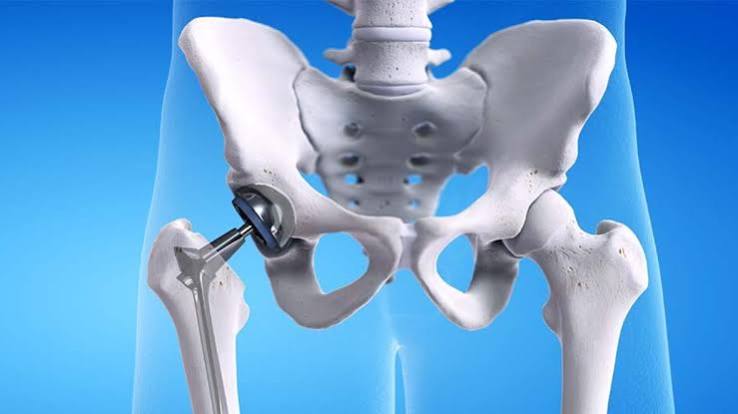
Hip Replacement Surgery: What Patients Should Know Before Taking the Next Step Hip pain can slowly change the way a person lives. What may begin as o...