

Hip Replacement Surgery: What Patients Should Know Before Taking the Next Step
Hip Replacement Surgery: What Patients Should Know
Before Taking the Next Step
Hip pain can slowly change the way a
person lives. What may begin as occasional discomfort can eventually make
walking, climbing stairs, getting in and out of a chair, or even sleeping
comfortably difficult. For people with advanced damage to the hip joint, these
problems can become a regular part of everyday life.
When medicines, physiotherapy and
other non-surgical treatments are no longer providing enough relief, a doctor
may discuss hip replacement surgery as a possible treatment option. But
deciding to undergo surgery is not a decision that should be made simply
because an X-ray shows arthritis or because hip pain has been present for a
certain amount of time.
Understanding the condition,
available treatment options and what to expect from hip replacement can help
patients have a more meaningful discussion with their orthopaedic specialist.
What
Is Hip Replacement Surgery?
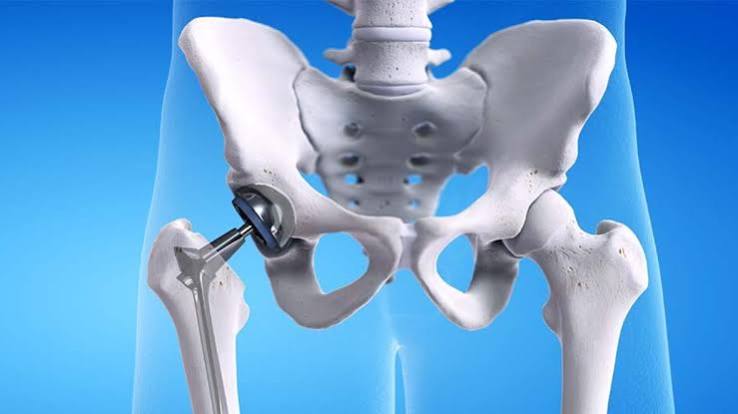
The hip is a ball-and-socket joint.
The rounded top of the thigh bone fits into a socket in the pelvis, allowing
the leg to move in different directions. Smooth cartilage normally covers the
surfaces of the joint and helps them move easily.
Over time, this cartilage can become
damaged or worn down because of conditions such as osteoarthritis. Previous
injuries, fractures, inflammatory arthritis and certain other hip conditions
can also affect the joint.
During a total hip replacement, the
damaged portions of the joint are replaced with artificial components. The
purpose of the procedure is to relieve pain and improve the function of the hip
so that the patient can return to daily activities more comfortably.
When
Is Hip Replacement Usually Considered?
Having hip pain does not
automatically mean that a person needs hip replacement. Doctors generally
consider surgery when the condition has progressed enough to significantly
affect a person's quality of life.
Hip replacement may be considered
when:
- Hip pain has become persistent
or severe.
- Walking or standing for normal
periods has become difficult.
- Everyday activities are
becoming increasingly challenging.
- Hip stiffness is limiting
movement.
- Pain is affecting sleep or
routine activities.
- Medicines and other
conservative treatments are no longer providing adequate relief.
- There is significant damage to
the hip joint.
The American Academy of Orthopaedic
Surgeons explains that total hip replacement can be considered for patients
with symptomatic hip osteoarthritis when non-surgical treatment is no longer
providing sufficient relief.
However, the decision is individual.
Two people with similar X-rays may have very different symptoms and treatment
needs.
What
Causes Hip Problems That May Lead to Replacement?
Osteoarthritis is one of the most
common reasons for hip replacement. It occurs when the protective cartilage in
the joint gradually wears away, causing the bones to rub against each other.
Other conditions that may damage the
hip include:
- Rheumatoid or other
inflammatory arthritis
- Hip fractures and previous
injuries
- Avascular necrosis, where the
blood supply to the bone is affected
- Certain developmental
conditions affecting the hip
- Previous damage or disease
affecting the joint
Identifying the cause of the hip
problem is important because treatment should be planned according to the
individual's condition rather than following a one-size-fits-all approach.
What
Symptoms Should Not Be Ignored?
Hip problems can develop gradually,
and some people adjust their daily routine to avoid activities that cause pain.
For example, a person may stop taking long walks, avoid stairs or start
depending on support while walking.
Common symptoms can include:
- Pain around the hip or groin
- Pain that may extend towards
the thigh or knee
- Stiffness after sitting or
resting
- Difficulty walking
- Reduced range of motion
- Difficulty putting on shoes or
socks
- Pain while climbing stairs
- Discomfort that interferes with
sleep
Persistent symptoms should be
evaluated rather than simply being accepted as a normal part of getting older.
Does
Everyone Need Surgery?
No. Hip replacement is generally
considered when other appropriate treatment options have not provided
sufficient relief or when joint damage and symptoms are significantly affecting
daily life.
Depending on the condition, doctors
may initially recommend options such as:
- Activity modification
- Physiotherapy and strengthening
exercises
- Weight management where
appropriate
- Medicines for pain and
inflammation
- Assistive devices when required
- Other treatments based on the
underlying condition
The appropriate treatment depends on
the cause and severity of the problem, the patient's general health and how
much the condition is affecting everyday life.
What
Happens Before Hip Replacement Surgery?
A detailed assessment is an
important part of planning hip replacement.
The orthopaedic surgeon will
generally discuss the patient's symptoms and medical history and perform a
physical examination. Imaging, such as X-rays, may be used to understand the
condition of the joint and assess the extent of damage.
The doctor may also consider other
health conditions, current medications, previous surgeries and the patient's
general fitness before recommending surgery.
This stage is also a good
opportunity for patients to ask questions. Understanding why surgery is being
recommended and what alternatives are available can help patients make an
informed decision.
How
Is a Hip Replacement Performed?
In total hip replacement, the
damaged parts of the hip joint are removed and replaced with artificial
components.
The artificial joint may include
different materials and designs, including combinations involving metal,
ceramic and medical-grade plastic. The choice of implant depends on several
factors, including the patient's anatomy, condition, activity level and the
surgeon's assessment.
The surgical approach can also vary
from patient to patient. Your orthopaedic surgeon will determine the most
appropriate technique based on your individual circumstances.
What
Should You Know About the Risks?
Like any major surgical procedure,
hip replacement has potential risks. These can include infection, blood clots,
dislocation, differences in leg length, nerve or blood vessel injury, loosening
or wear of the implant and the possibility of further surgery.
The likelihood of complications
varies from patient to patient.
This is why a proper medical
assessment and discussion with an experienced orthopaedic team are important
before surgery. Patients should ask their surgeon about the potential benefits
and risks in their specific case rather than relying only on general
information available online.
Preparing
for Hip Replacement
Preparing physically and practically
before surgery can make the recovery period easier.
Depending on your doctor's advice,
preparation may include maintaining appropriate activity levels, working on
strength and mobility, managing existing health conditions and reviewing
medicines before surgery.
It is also useful to prepare your
home. Keeping frequently used items within easy reach, removing obstacles that
could cause trips and arranging support for household activities can be helpful
during the early stages of recovery.
Patients should follow the specific
instructions provided by their surgical and medical team.
What
Is Recovery Like After Hip Replacement?
Recovery is a gradual process, and
every patient progresses differently.
After surgery, patients are
generally encouraged to begin moving as advised by their healthcare team.
Depending on the individual case, a walker, crutches or another form of support
may be used initially.
Physiotherapy is an important part
of rehabilitation. Exercises can help improve muscle strength, joint movement,
balance and confidence while walking.
As recovery progresses, many
patients gradually return to routine activities. However, the timeline varies
depending on factors such as age, overall health, muscle strength, the
condition of the other hip and joints, and the type of surgery performed.
It is important not to compare your
recovery with another person's. Following the advice of your surgeon and
physiotherapist is more important than trying to meet a particular timeline.
How
Can Patients Support Their Recovery?
Patients can play an active role in
their recovery by following the rehabilitation plan provided by their
healthcare team.
Some important principles include:
- Take medicines exactly as
prescribed.
- Attend recommended follow-up
appointments.
- Complete physiotherapy and
prescribed exercises.
- Follow instructions regarding
walking and weight-bearing.
- Avoid activities that your
doctor has temporarily restricted.
- Maintain a healthy lifestyle.
- Report unusual or worsening
symptoms to your healthcare team.
Recovery is not only about the
surgical procedure. Rehabilitation, patience and consistent follow-up also
contribute to the overall treatment journey.
Questions
to Ask Before Choosing Hip Replacement
If your doctor has recommended hip
replacement, consider discussing questions such as:
Why do I
need hip replacement now?
Understanding the reason behind the recommendation can help you make an
informed decision.
Are there
other treatments I can try first?
Depending on your condition, non-surgical options may still be appropriate.
Which type
of hip replacement is suitable for me?
Your surgeon can explain the implant and surgical approach being considered.
What are
the possible risks and complications?
Every surgical procedure has risks, and these can vary between individuals.
How should
I prepare for surgery?
Ask about medicines, investigations, activity, nutrition and practical
arrangements before admission.
What will
rehabilitation involve?
Knowing what physiotherapy and follow-up may involve can help you plan for
recovery.
Hip
Replacement Care at Mohandai Oswal Hospital, Ludhiana
At Mohandai Oswal Hospital,
Ludhiana, orthopaedic care includes the evaluation and treatment of
conditions affecting the bones and joints, including joint replacement
procedures.
The hospital's orthopaedic services
include joint replacement, complex trauma and rehabilitation support. Patients
with persistent hip pain can undergo an evaluation to understand the underlying
problem and discuss appropriate treatment options with the orthopaedic team.
For someone considering hip
replacement, the focus should go beyond the operation itself. Proper diagnosis,
treatment planning, appropriate surgical care and rehabilitation are all important
parts of the journey.
When
Should You Consult an Orthopaedic Specialist?
If hip pain has started interfering
with your everyday life, it is worth getting it evaluated rather than
continuing to live with increasing limitations.
You should consider consulting an
orthopaedic specialist if you have persistent hip pain, increasing stiffness,
difficulty walking, reduced movement or pain that is affecting sleep and
routine activities.
A consultation does not necessarily
mean that you will need surgery. It can simply help you understand what is
causing the problem and what treatment options may be appropriate.
Taking
the Next Step
Hip replacement can be an effective
treatment option for people with significant hip joint damage and persistent
symptoms that are affecting their quality of life. But the decision to undergo
surgery should always be based on an individual medical assessment.
If hip pain is making everyday
activities increasingly difficult, the first step is understanding what is
causing the pain and discussing your options with an orthopaedic specialist.
At Mohandai Oswal Hospital,
Ludhiana, patients can seek evaluation for hip and joint problems and
discuss whether conservative treatment, rehabilitation or joint replacement may
be appropriate for their condition.
The right treatment is not simply
about getting rid of pain for the short term. It is about finding an approach
that supports better movement, function and quality of life over the long term.

Why Every Minute Matters During a Stroke: The Importance of Timely Treatment

How Polio Vaccination Protects Children from Lifelong Disability

Menopause is a natural stage in a woman’s life, but the changes leading up to it can sometimes feel confusing. Irregular periods, difficulty sleepin...

Emergency Care vs. Routine Care: Knowing When to Seek Immediate Medical Attention Not every health concern requires an emergency room visit, but some...

Breast Cancer