

How Polio Vaccination PProtects Children from Lifelong Disability
from Lifelong Disability
Every child deserves the chance to grow, learn, play, and
experience life without the burden of preventable diseases. While advances in
modern medicine have helped control many serious childhood illnesses, polio
remains an important reminder of why vaccination and preventive healthcare
should never be overlooked.
Polio, also known as poliomyelitis, is a highly infectious
viral disease that can affect the nervous system and cause permanent paralysis.
Although India has made remarkable progress in eliminating wild poliovirus
transmission, continued vaccination remains essential to protect children and
maintain the country's polio-free status.
The impact of polio extends beyond physical health. A child
affected by permanent paralysis may require long-term medical support,
rehabilitation, and assistance with daily activities. Families can also face
emotional, social, and financial challenges. Fortunately, vaccination provides
an effective way to prevent the severe consequences of this disease.
On World Polio Day, understanding the importance of polio
vaccination can help parents make informed healthcare decisions and encourage
communities to continue working towards a future free from polio.
What Is Polio and Why Is It Dangerous for Children?
Polio is caused by the poliovirus, which primarily spreads
through the faecal-oral route, often through contaminated water, food, or
hands. In areas with inadequate sanitation, the virus can spread more easily
between people.
The infection can affect individuals of any age, but
children under five are particularly vulnerable. Many infected individuals
experience no noticeable symptoms, while others may develop mild symptoms such
as fever, fatigue, headache, nausea, or muscle discomfort.
In a small proportion of cases, however, the virus invades
the central nervous system and damages nerve cells responsible for controlling
movement. This can lead to serious complications, including:
·
Muscle weakness: Children may experience reduced muscle strength and difficulty
moving certain parts of the body.
·
Acute flaccid
paralysis: The infection can cause sudden
weakness or loss of movement, often affecting the legs.
·
Permanent physical
disability: Damage to motor nerve cells can
result in lifelong paralysis that may affect mobility and independence.
·
Breathing difficulties: In severe cases, polio can affect the muscles involved in breathing
and become life-threatening.
There is currently no cure that reverses the nerve damage
caused by paralytic polio. Treatment focuses on managing complications,
maintaining physical function, and supporting rehabilitation. This is why
preventing infection through vaccination is so important.
How Does Polio Vaccination Protect Children?
Polio vaccination trains the body's immune system to
recognise and respond to poliovirus. Once a child develops immunity, the body
is better prepared to defend against the virus and prevent severe disease.
Vaccination is one of the most effective public health
interventions for protecting children from polio. Its benefits extend beyond
individual protection, helping communities reduce transmission and maintain
progress towards global eradication.
1. Helps Prevent Lifelong Paralysis
One of the most serious consequences of polio is permanent
paralysis. Unlike many childhood illnesses from which children recover
completely, paralytic polio can cause lasting damage to the nerves responsible
for muscle movement.
Polio vaccines provide strong protection against paralytic
disease. By ensuring that children receive their recommended doses, parents can
significantly reduce the risk of a disease that may affect mobility,
independence, education, and everyday life.
Prevention is especially important because nerve damage
caused by polio cannot simply be reversed through medication or surgery.
2. Builds Immunity During Early Childhood
Early childhood is a crucial stage of physical and
neurological development. During these years, children are rapidly growing,
learning new skills, and becoming more active.
Following the recommended polio vaccination schedule helps
build protection during this important period. Multiple doses are recommended
because repeated vaccination strengthens and maintains immunity.
Parents should keep vaccination records updated and ensure
that children receive their scheduled doses at the appropriate ages. If a dose
has been missed, a healthcare professional can advise on the next steps.
3. Helps Reduce the Spread of Poliovirus
Vaccination also plays an important role in protecting the
wider community. When a high proportion of eligible children are vaccinated,
the opportunities for poliovirus to spread are reduced.
This is particularly important because an infected person
may carry and spread the virus without developing obvious symptoms.
Maintaining high vaccination coverage helps prevent
outbreaks, protects vulnerable populations, and supports continued global
efforts to eradicate polio.
4. Supports Better Long-Term Health and Independence
Preventing polio helps protect children from the physical
and social challenges associated with lifelong disability.
Children who avoid paralytic polio can continue
participating in school activities, sports, play, and other important aspects
of childhood without the limitations that severe disease may cause.
Vaccination also reduces the likelihood of families having
to manage the long-term care needs associated with permanent paralysis. In this
way, polio prevention contributes to healthier families and stronger
communities.
Types of Polio Vaccines: OPV and IPV
Two major types of polio vaccines are used in immunisation
programmes: the Oral Polio Vaccine (OPV) and the Inactivated Polio Vaccine
(IPV). Both help protect children against poliovirus, but they work in
different ways.
Oral Polio Vaccine (OPV)
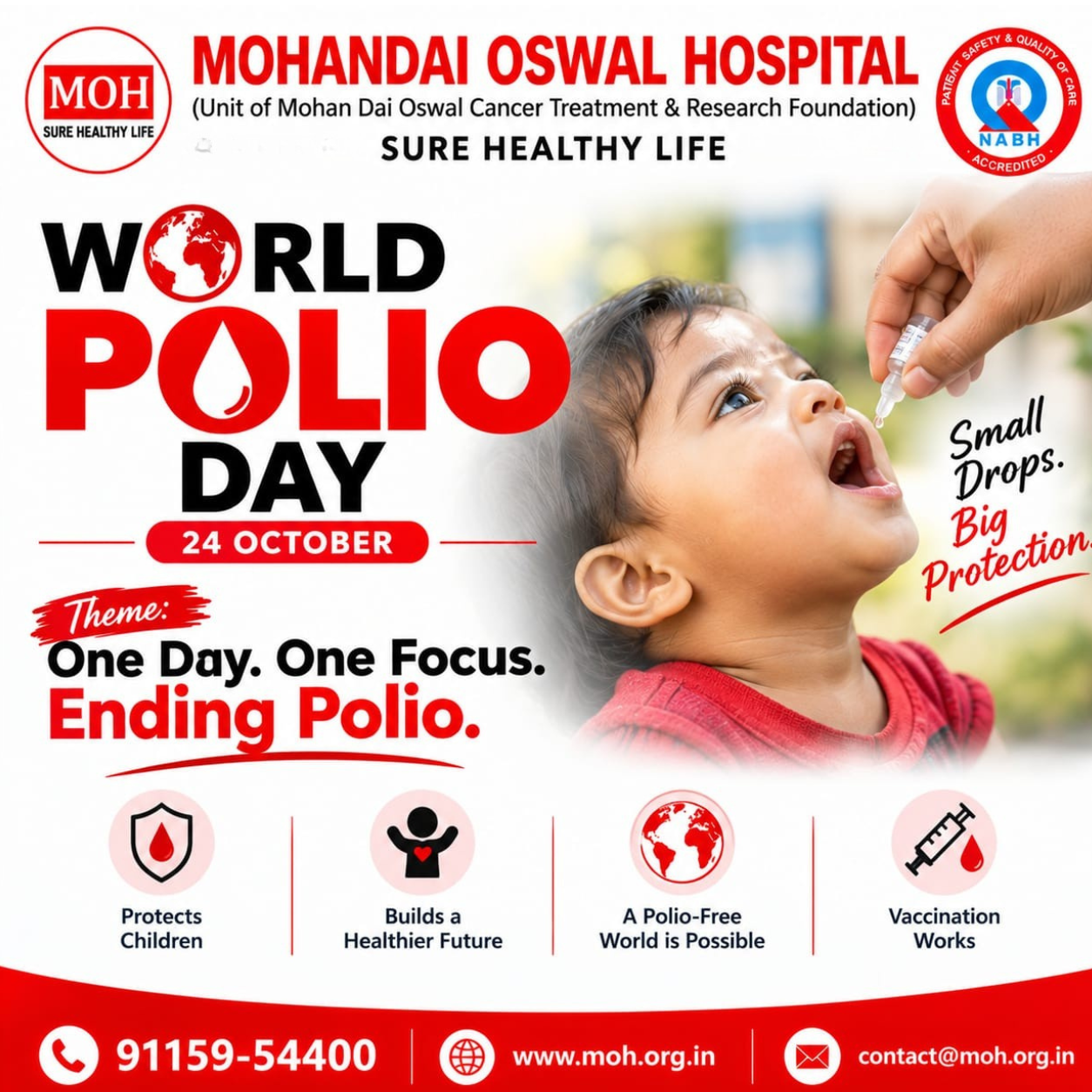
OPV is administered as drops by mouth and has played a
significant role in large-scale polio immunisation campaigns.
It stimulates immunity in the intestine, helping protect
against infection and reducing the spread of poliovirus. Its ease of
administration makes it particularly useful during mass vaccination campaigns,
where large numbers of children need to be reached.
In India, OPV is used in routine immunisation and
supplementary campaigns such as Pulse Polio, according to official programme
recommendations.
Inactivated Polio Vaccine (IPV)
IPV is administered through an injection and contains
inactivated poliovirus that cannot cause polio.
It stimulates an immune response that provides strong
protection against paralytic disease. IPV is an important part of routine
childhood immunisation in India.
Both OPV and IPV contribute to polio prevention. Their use
and timing depend on the national immunisation schedule and the child's
vaccination history.
Polio Vaccination Schedule in India: What Parents Should
Know
India's Universal Immunization Programme includes polio
vaccination as an important component of routine childhood healthcare.
The national schedule includes an oral polio vaccine birth
dose, routine OPV doses during infancy, fractional doses of IPV, and an OPV
booster during the second year of life. Additional doses may be provided
through official Pulse Polio campaigns.
Parents should remember that routine immunisation and
supplementary campaign doses serve important purposes. During a Pulse Polio
campaign, eligible children may be advised to receive additional oral vaccine
drops even if they have already received their routine vaccinations.
To keep children protected, parents should:
·
Follow the current national
immunisation schedule.
·
Maintain an updated vaccination
card.
·
Attend scheduled vaccination
appointments.
·
Follow official announcements
regarding Pulse Polio campaigns.
·
Speak with a healthcare
professional if vaccination records are incomplete or a dose has been missed.
Vaccination recommendations may be updated over time.
Parents should therefore confirm the current schedule with a qualified
healthcare professional or an authorised government immunisation centre.
Why Is Polio Vaccination Still Important in India?
India was certified polio-free in 2014 after years of
extensive vaccination efforts, disease surveillance, and public health
cooperation. This achievement represents an important milestone in the
country's healthcare history.
However, being certified polio-free does not mean that
vaccination can stop. Poliovirus continues to circulate in some parts of the
world, and international travel and population movement can create
opportunities for the virus to be reintroduced.
Maintaining high vaccination coverage is therefore
essential to preserve India's progress.
Government-led Pulse Polio campaigns help reach eligible
children with additional vaccine doses and strengthen population-level
protection. Healthcare professionals, community workers, parents, and public
health authorities all play an important role in these efforts.
The continued success of polio prevention depends on
sustained public awareness, timely vaccination, and effective disease
surveillance.
Common Myths About Polio Vaccination: Facts Every Parent
Should Know
Misinformation about vaccines can create uncertainty and
cause parents to delay important preventive care. Understanding the facts helps
families make confident, informed decisions.
Myth 1: Polio Is No Longer a Concern Because India Is
Polio-Free
Fact: India's
polio-free status is a significant public health achievement, but continued
vaccination remains necessary. Global poliovirus transmission means that the
risk of reintroduction cannot be completely ignored.
Myth 2: One Dose Is Enough to Protect a Child
Fact: The
recommended vaccination schedule includes multiple doses to build and
strengthen immunity. Parents should ensure their child completes the schedule
recommended by health authorities.
Myth 3: Healthy Children Do Not Need Polio Vaccination
Fact: Poliovirus
infection may occur without noticeable symptoms, and an apparently healthy
child can still be vulnerable to infection. Vaccination is important even when
a child looks and feels well.
Myth 4: Routine Vaccination Means Pulse Polio Doses Are
Unnecessary
Fact: During
official Pulse Polio campaigns, eligible children may be advised to receive
additional doses regardless of their previous vaccination history. Parents
should follow campaign instructions from authorised health officials.
Myth 5: Good Hygiene Can Replace Polio Vaccination
Fact: Proper
handwashing, safe drinking water, and adequate sanitation help reduce the
spread of infections. However, these measures cannot replace vaccination as the
main preventive measure against paralytic polio.
What Should Parents Do If Their Child Misses a Polio
Vaccine Dose?
Parents may occasionally miss vaccination appointments
because of travel, illness, scheduling difficulties, or other circumstances.
Missing a dose does not mean that a child can no longer receive protection.
The appropriate next step is to consult a qualified
healthcare professional or an authorised immunisation centre. They can review
the child's vaccination card, determine which doses are due, and advise on an
appropriate catch-up schedule.
Parents should avoid making assumptions about their child's
immunity or restarting a vaccination schedule without professional guidance.
It is also important to remember that vaccination records
provide valuable information about previous doses. Keeping these records safe
can help healthcare professionals make suitable recommendations.
How Can Parents Help Prevent Polio?
Protecting children from polio requires consistent efforts
at home and across the community. Parents can make a meaningful contribution by
following recommended preventive measures.
Ensure timely vaccination: Take children for routine immunisation and complete all recommended
polio vaccine doses.
Participate in Pulse Polio campaigns: Follow official campaign announcements and ensure eligible children
receive the recommended additional doses.
Maintain accurate records: Keep vaccination cards updated and bring them to healthcare
appointments.
Practise good hygiene: Encourage regular handwashing, safe food handling, and the use of
safe drinking water.
Seek reliable medical advice: Discuss vaccination concerns with qualified healthcare
professionals rather than relying on unverified information circulating online.
Spread awareness:
Encourage family members and other parents to understand the importance of
vaccination and follow official immunisation guidance.
These simple actions can help strengthen protection against
polio and support the broader goal of preventing vaccine-preventable diseases.
Conclusion: Every Dose Brings Us Closer to a Polio-Free
Future
Polio vaccination has helped protect millions of children
from a disease that can cause permanent paralysis and lifelong disability. Its
importance extends beyond individual health, supporting safer communities and
contributing to the global effort to eradicate poliovirus.
Although India has achieved polio-free certification,
continued vaccination remains essential to preserve this achievement. Parents
can play their part by following the recommended immunisation schedule, participating
in official vaccination campaigns, maintaining accurate records, and seeking
reliable medical advice.
Preventing polio is far better than managing its lifelong
consequences. By keeping children protected through timely vaccination,
families and communities can help safeguard the next generation.

Why Every Minute Matters During a Stroke: The Importance of Timely Treatment

Menopause is a natural stage in a woman’s life, but the changes leading up to it can sometimes feel confusing. Irregular periods, difficulty sleepin...

Emergency Care vs. Routine Care: Knowing When to Seek Immediate Medical Attention Not every health concern requires an emergency room visit, but some...
Breast Cancer
Hip Replacement Surgery: What Patients Should Know Before Taking the Next Step Hip pain can slowly change the way a person lives. What may begin as o...