

Cancer Treatment Explained: When to Seek Specialized Care and What to Expect
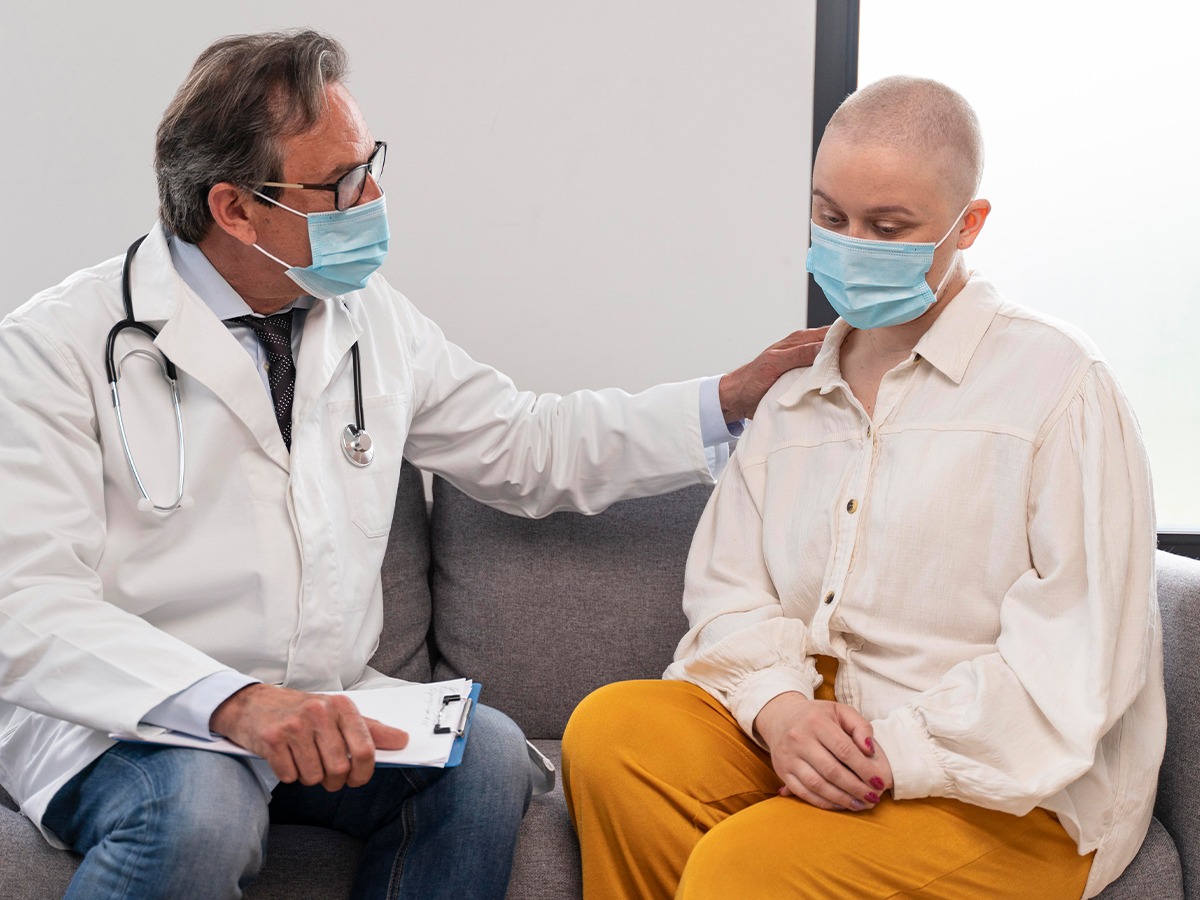
Cancer remains one of the most challenging health conditions affecting millions globally. While early detection and advances in treatment have dramatically improved outcomes, knowing when to seek specialized care is crucial for successful management. For patients in Punjab, especially those in and around Ludhiana, accessing the Best Cancer Hospital in Ludhiana can be a life-changing decision.
At Mohandai Oswal Hospital, we understand the anxiety, questions, and uncertainties that come with a cancer diagnosis. That’s why we’ve created this comprehensive guide to explain cancer treatment, discuss when specialized care is necessary, and outline what patients can expect at every stage of their journey.
1. Understanding Cancer: The Basics
Cancer refers to a group of diseases in which abnormal cells grow uncontrollably and spread beyond their usual boundaries. Unlike benign tumors, malignant tumors can invade nearby tissues and metastasize (spread) to distant body parts.
Types of Cancer
Carcinomas – Originating in skin or organs.
Sarcomas – Arising in bones or connective tissues.
Leukemias – Cancers of blood-forming tissues.
Lymphomas – Affecting the immune system.
Central Nervous System Cancers – Involving the brain and spinal cord.
Each type behaves differently and requires a tailored treatment approach. This is why having access to a dedicated Cancer Specialist in Ludhiana can significantly improve outcomes.
2. Common Warning Signs of Cancer
It’s important to recognize symptoms early. Although cancer signs vary by type, some general red flags include:
Unexplained weight loss
Persistent fatigue
Changes in bowel or bladder habits
A lump or swelling
Non-healing sores
Persistent cough or hoarseness
Unusual bleeding or discharge
Any of these symptoms warrant prompt medical evaluation, especially if they persist for more than a few weeks.
3. When to Seek Specialized Cancer Care
Early detection often leads to better prognosis, but specialized care becomes crucial in the following scenarios:
3.1 After Abnormal Screening Results
Screenings like mammograms, Pap smears, colonoscopies, and PSA tests can detect abnormalities early. A positive or suspicious result should be followed by a referral to a Cancer Specialist in Ludhiana for further diagnosis and management.
3.2 If Symptoms Persist or Worsen
Persistent symptoms like chronic pain, unexplained bleeding, or significant fatigue should prompt evaluation by a specialist. General practitioners are often the first point of contact, but specialists have the tools and expertise to investigate further.
3.3 When Cancer Is Confirmed
Once cancer is diagnosed through biopsy or imaging, patients should be referred to an oncologist. Specialized centers like the Best Cancer Hospital in Ludhiana have multidisciplinary teams that develop personalized treatment plans.
3.4 Complex or Rare Cancer Types
Certain cancers, such as pancreatic, ovarian, or sarcomas, require expertise found at specialized centers. These cancers often require advanced diagnostics and treatments, including clinical trials or novel therapies.
3.5 Treatment Planning and Second Opinions
Even with a confirmed diagnosis, seeking a second opinion from a Cancer Specialist in Ludhiana can help validate treatment plans and offer additional options.
4. The Multidisciplinary Approach in Cancer Care
Effective cancer treatment is rarely one-dimensional. It involves a team of specialists who collaborate to create a targeted treatment plan:
4.1 Oncologists
Medical oncologists manage drug therapies like chemotherapy and targeted treatments.
4.2 Surgical Oncologists
These surgeons perform tumor removals, biopsies, and reconstructive procedures.
4.3 Radiation Oncologists
Specialists trained in delivering radiation to eliminate or shrink cancer cells with precision.
4.4 Pathologists
They analyze tumor samples to determine cancer type and subtype.
4.5 Imaging Specialists
Experts who interpret CT scans, PET scans, MRIs, and ultrasounds for accurate staging and monitoring.
4.6 Supportive Care Teams
These include nutritionists, counselors, physiotherapists, and palliative care experts who help with quality of life during and after treatment.
At Mohandai Oswal Hospital — renowned as one of the Best Cancer Hospitals in Ludhiana — this multidisciplinary model ensures that each patient receives a comprehensive and individualized care plan.
5. Diagnostic Procedures for Cancer
Accurate diagnosis is the foundation of effective cancer care. While symptoms may raise suspicion, confirmatory tests are essential.
5.1 Imaging Tests
X-Rays
Ultrasounds
CT (Computed Tomography) Scans
MRI (Magnetic Resonance Imaging)
PET (Positron Emission Tomography) Scans
These help determine the size, location, and spread of tumors.
5.2 Biopsy
A biopsy remains the gold standard for confirming cancer. A tissue sample is taken and examined under a microscope to identify malignant cells and determine the specific type of cancer.
5.3 Blood Tests
Certain cancers release specific markers detectable in blood. While not definitive, these tests support diagnosis and monitoring.
Once a diagnosis is confirmed, patients can begin defining their treatment goals with a Cancer Specialist in Ludhiana.
6. Core Cancer Treatment Options
Cancer treatment varies based on the type and stage of the disease. Here’s a detailed look at the foundational treatment modalities.
6.1 Surgery
Surgery involves physically removing the tumor. It’s often the first line of treatment for solid tumors that have not spread.
When surgery is used:
Early-stage cancers
Tumors that can be removed without severe impact on function
To relieve symptoms (palliative surgery)
Surgery may be followed by chemotherapy or radiation to kill remaining cancer cells.
6.2 Chemotherapy
Chemotherapy uses drugs to kill rapidly dividing cancer cells. It can be systemic (affecting the whole body) or localized.
Uses of Chemotherapy:
Before surgery (neoadjuvant) to shrink tumors
After surgery (adjuvant) to eliminate residual cells
As primary treatment for blood cancers
Side effects vary but commonly include nausea, hair loss, and fatigue.
6.3 Radiation Therapy
Radiation therapy uses high-energy beams to destroy cancer cells. It can be external or internal (brachytherapy).
Being treated at a recognized center for Radiation Therapy in Ludhiana ensures precise targeting to minimize harm to healthy tissues.
Benefits of Radiation:
Shrinks tumors
Complements surgery and chemotherapy
Can relieve pain and symptoms
Radiation therapy is a cornerstone treatment for many cancers including head & neck, breast, and prostate.
6.4 Targeted Therapy
Targeted therapies home in on specific molecular features of cancer cells. They tend to have fewer side effects than traditional chemotherapy.
Used especially in cancers like:
Breast cancer with HER2 markers
Lung cancers with EGFR mutations
Certain leukemias
6.5 Immunotherapy
Immunotherapy boosts the body’s immune system to fight cancer. It includes checkpoint inhibitors and other agents that help immune cells recognize and attack cancer cells.
This cutting-edge treatment is seeing rapid growth and significant success in cancers like melanoma and lung cancer.
6.6 Hormone Therapy
Some cancers are hormone-sensitive (e.g., breast and prostate cancers). Hormone therapy blocks the influence of hormones to slow cancer growth.
7. What to Expect During Cancer Treatment
A cancer diagnosis often brings emotional and physical challenges. Understanding the treatment journey can help patients and families feel more prepared and hopeful.
7.1 Initial Consultation
Your first visit to a Cancer Specialist in Ludhiana will involve:
Reviewing medical history
Performing physical examinations
Ordering relevant tests and scans
The specialist will explain the diagnosis and recommend the appropriate treatment plan.
7.2 Treatment Planning
This includes:
Determining the stage and grade of cancer
Choosing between surgery, chemotherapy, radiation, or combinations
Discussing expected outcomes and potential side effects
Patients often meet with the full care team so that everyone understands the roadmap ahead.
7.3 During Active Treatment
Patients may visit the hospital multiple times:
For chemotherapy infusions
For daily or weekly radiation sessions
For surgical procedures and recovery
Support staff help manage side effects, monitor progress, and offer symptom relief.
7.4 After Treatment / Follow-Up
After active treatment, patients enter a survivorship phase:
Regular check-ups
Periodic imaging or blood tests
Lifestyle counseling
Emotional and psychological support
Follow-up ensures early detection of recurrence and management of long-term side effects.
8. Support Services That Improve Outcomes
Cancer care extends beyond medical treatments. A compassionate support system helps patients cope physically, emotionally, and socially.
8.1 Nutritional Counseling
Good nutrition supports healing and improves strength during treatment.
8.2 Psychological Support
Counseling and therapy can help patients navigate stress, anxiety, and depression.
8.3 Physical Therapy
Rehabilitation improves mobility and quality of life after surgery or prolonged treatment.
8.4 Support Groups
Sharing experiences with fellow patients fosters resilience and community.
At Mohandai Oswal Hospital — a leading Best Cancer Hospital in Ludhiana — all these support services are integrated into care plans.
9. Why Choosing Specialized Cancer Care Matters
Cancer is not a one-size-fits-all disease. It demands precision, expertise, and resources that only specialized centers can provide.
Key Advantages of Specialized Care
Access to experienced oncologists
Latest treatment technologies
Personalized care plans
Multidisciplinary teams
Supportive care services
Better treatment outcomes
Access to clinical trials
Seeking care at the Best Cancer Hospital in Ludhiana ensures you’re not alone in this fight — you’re supported by world-class professionals who understand the nuances of cancer treatment.
10. How to Choose the Right Cancer Specialist
Selecting a cancer specialist is one of the most important decisions in your treatment journey. Consider the following:
Credentials and experience in treating your specific cancer type
Hospital reputation, especially for radiation therapy and surgical oncology
Communication style and willingness to answer questions
Support services offered at the facility
Patient reviews and testimonials
When you choose a Cancer Specialist in Ludhiana with a strong track record, you choose expertise, compassion, and hope.
Conclusion: Hope Through Expert Care
A cancer diagnosis is life-changing, but with the right support, it doesn’t have to be hopeless. Early detection, timely action, and access to specialized care significantly improve outcomes.
If you or a loved one is facing cancer, seeking treatment at the Best Cancer Hospital in Ludhiana like Mohandai Oswal Hospital ensures you receive world-class care, advanced treatment options, and the compassionate support you deserve.
From precise diagnostics and cutting-edge radiation therapy to comprehensive supportive services, we walk with you every step of the way.
Your journey toward healing begins with a single step — expert care, right here in Ludhiana.
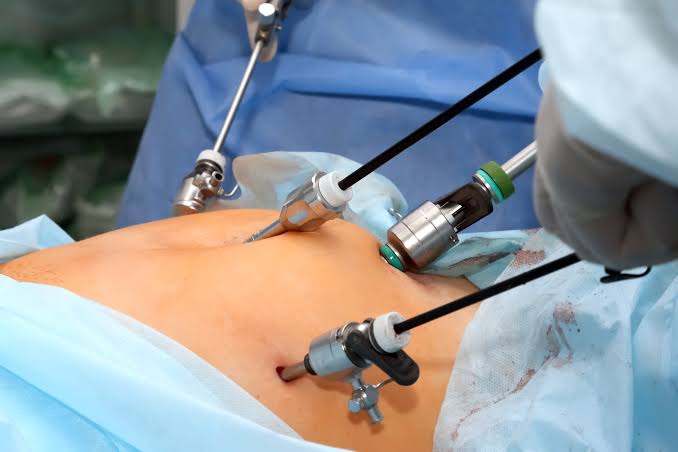
Laparoscopic Surgery: What Is It and How Does It Work?

Women’s health needs change at every stage of life. From the beginning of menstruation to pregnancy, motherhood, and menopause, women may experience...
Medical Oncology Treatment: Types, Process and What to Expect A cancer diagnosis often brings a flood of questions, and one of the most common concer...
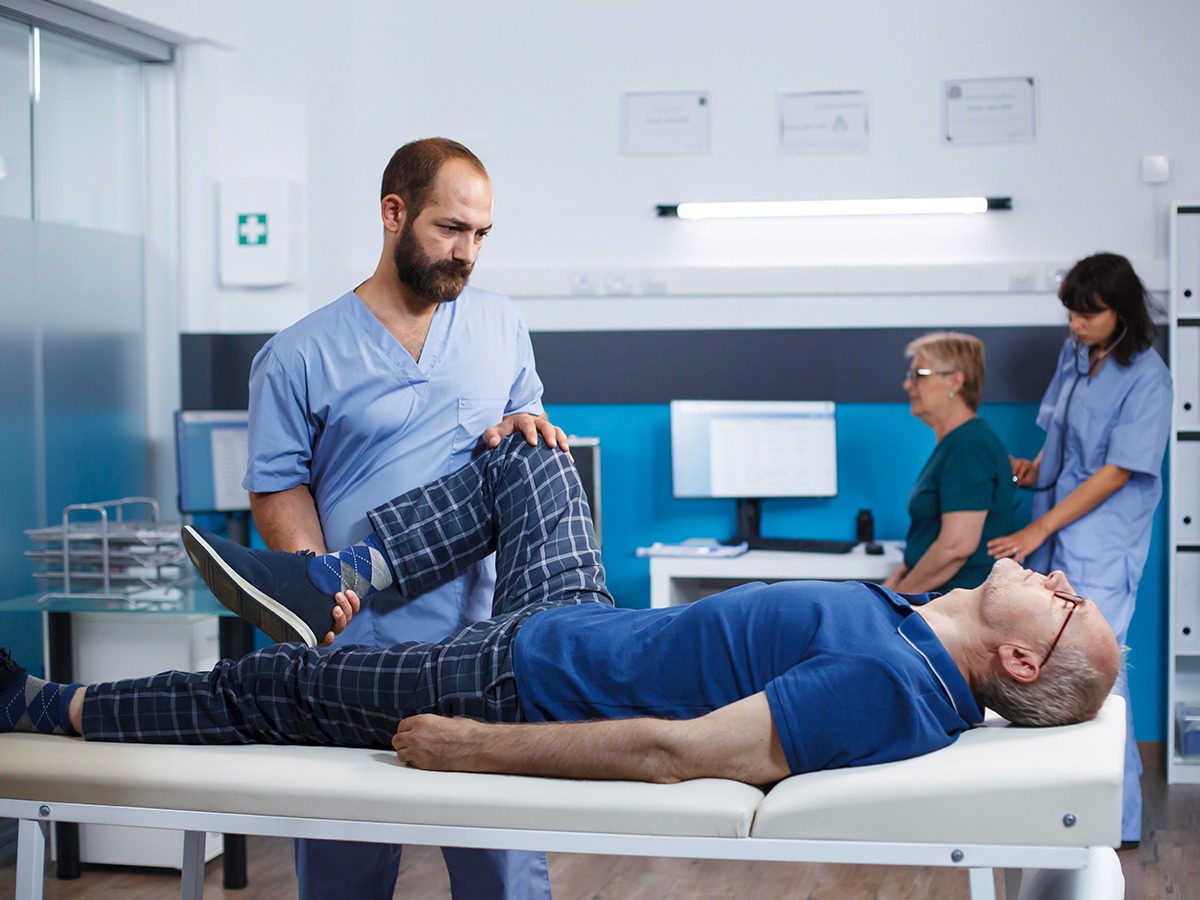
Joint pain can gradually change the way you live. A morning walk may become uncomfortable, climbing stairs may feel difficult, and everyday activities...
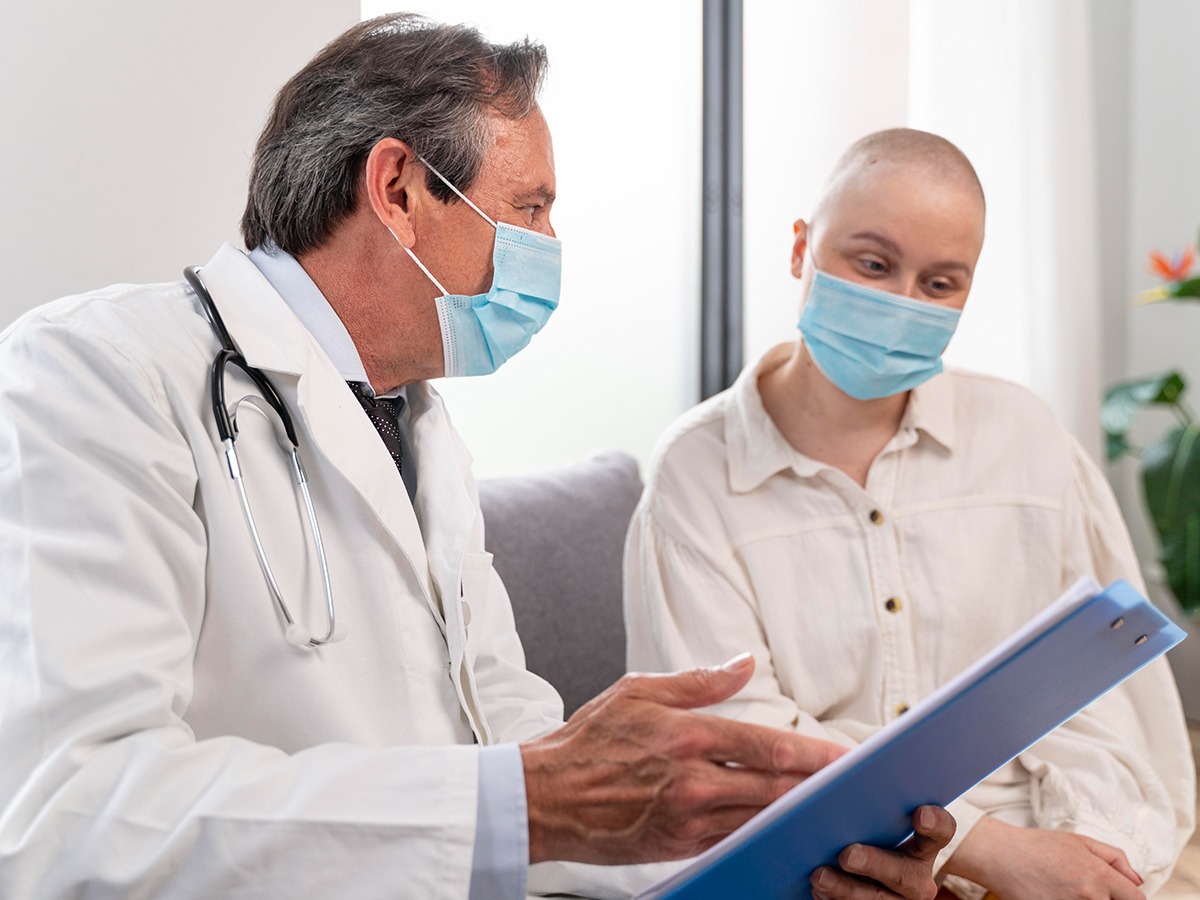
A cancer diagnosis can be overwhelming, bringing uncertainty and many questions about treatment and recovery. However, advancements in medical science...