

Joint Pain to Mobility: How Advanced Orthopaedic Care Helps You Live Pain-Free
Introduction
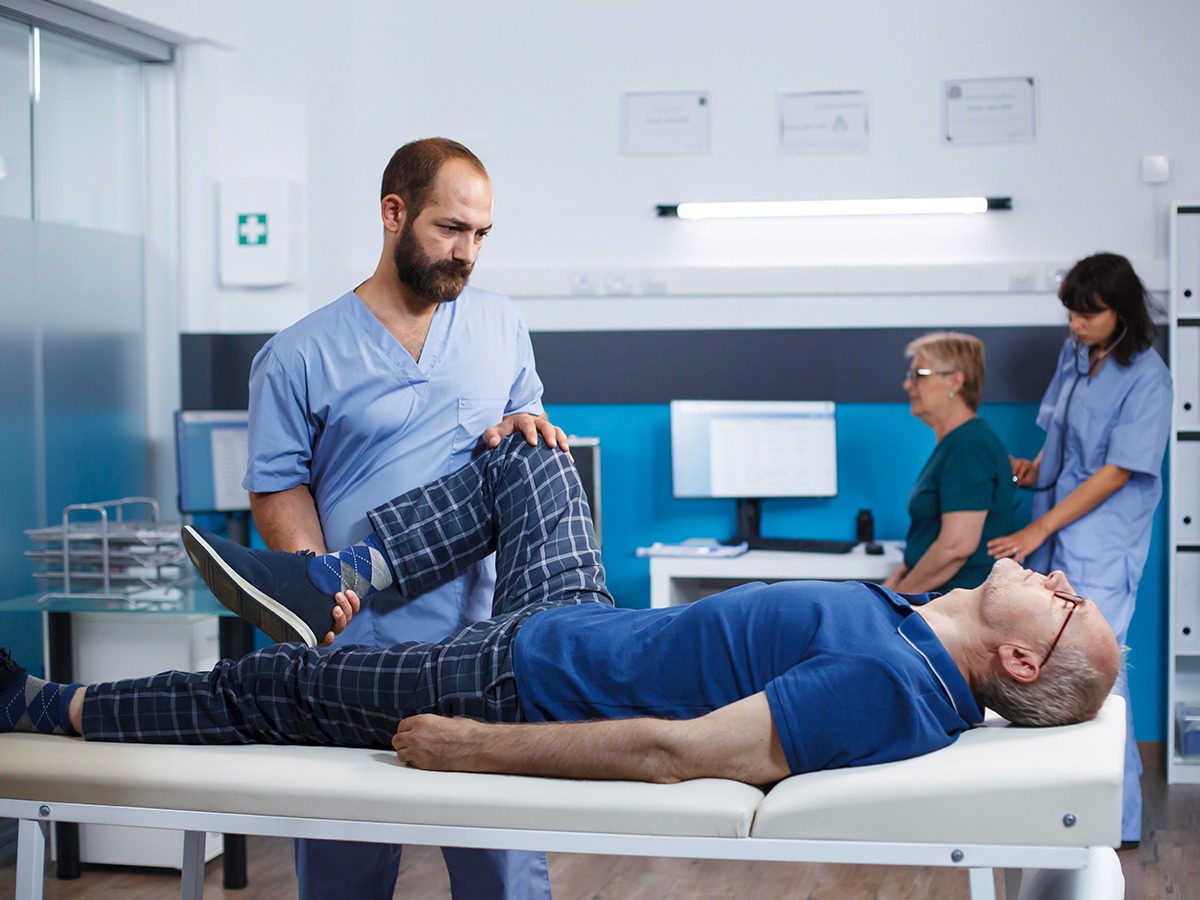
Joint pain is one of the most common health concerns affecting people of all ages. Whether caused by aging, arthritis, sports injuries, accidents, or lifestyle factors, joint pain can significantly impact daily life. Simple activities such as walking, climbing stairs, exercising, or even standing for extended periods can become challenging and painful.
Fortunately, modern medical advancements have transformed the way joint and bone conditions are treated. Today, patients no longer need to live with chronic pain and restricted movement. With advanced diagnostics, minimally invasive procedures, personalized rehabilitation programs, and specialized surgical treatments, orthopaedic care offers effective solutions that restore mobility and improve quality of life.
For individuals seeking comprehensive Orthopaedics Services in Ludhiana, Mohandai Oswal Hospital is committed to providing world-class treatment backed by experienced specialists, advanced technology, and patient-centered care. Recognized as a Best Orthopaedic Hospital in Ludhiana, the hospital helps patients move from pain to recovery with confidence.
Understanding Joint Pain
Joints are the connections between bones that allow movement and flexibility. When these joints become damaged, inflamed, or worn out, pain and stiffness can develop.
Common symptoms of joint problems include:
Persistent pain in knees, hips, shoulders, or ankles
Swelling around joints
Reduced flexibility
Difficulty walking
Joint stiffness, especially in the morning
Clicking or grinding sensations
Weakness in affected areas
Ignoring these symptoms may worsen the condition over time and lead to long-term mobility limitations.
Common Causes of Joint Pain
1. Osteoarthritis
Osteoarthritis is one of the most prevalent causes of joint pain. It occurs when the protective cartilage cushioning the joints gradually wears away.
Common symptoms include:
Knee pain
Hip discomfort
Joint stiffness
Reduced mobility
Swelling after activity
As the condition progresses, patients may experience significant movement restrictions.
2. Rheumatoid Arthritis
This autoimmune condition causes the body's immune system to attack healthy joint tissues, leading to inflammation and pain.
Signs include:
Joint tenderness
Morning stiffness
Fatigue
Swelling in multiple joints
3. Sports Injuries
Athletes and physically active individuals often suffer from:
Ligament tears
Meniscus injuries
Tendon damage
Cartilage injuries
Without proper treatment, these injuries can lead to chronic joint problems.
4. Trauma and Accidents
Road accidents, falls, and fractures can damage joints and surrounding structures, requiring specialized orthopaedic treatment.
5. Obesity
Excess body weight places additional stress on weight-bearing joints such as the knees and hips, accelerating joint wear and tear.
The Impact of Joint Pain on Daily Life
Many people underestimate the effects of chronic joint pain. Beyond physical discomfort, it can influence:
Emotional Well-being
Persistent pain often contributes to:
Stress
Anxiety
Depression
Reduced confidence
Professional Productivity
Pain can limit work performance, especially for individuals involved in physically demanding occupations.
Social Activities
Joint pain may discourage participation in family gatherings, travel, sports, and recreational activities.
Physical Fitness
Limited mobility often results in reduced exercise, leading to weight gain and worsening joint conditions.
Why Early Orthopaedic Consultation Matters
Many patients delay seeking treatment, hoping the pain will resolve on its own. Unfortunately, untreated joint problems often worsen over time.
Early orthopaedic consultation offers several advantages:
Accurate diagnosis
Timely intervention
Prevention of further damage
Faster recovery
Better treatment outcomes
At Mohandai Oswal Hospital, patients receive comprehensive evaluations to identify the root cause of their symptoms and create personalized treatment plans.
Advanced Orthopaedic Care: A Modern Approach
Today's orthopaedic care goes far beyond traditional treatments. Modern advancements focus on preserving joint function, reducing pain, and improving mobility.
Comprehensive Diagnostic Evaluation
Accurate diagnosis is the foundation of effective treatment.
Advanced diagnostic tools include:
Digital X-rays
MRI scans
CT scans
Bone density testing
Laboratory investigations
These technologies help specialists assess joint health and determine the most suitable treatment strategy.
Non-Surgical Orthopaedic Treatments
Not every joint condition requires surgery. Many patients experience significant relief through non-surgical interventions.
Medication Management
Specialists may prescribe medications to:
Reduce inflammation
Control pain
Improve joint function
Physiotherapy
Physiotherapy plays a crucial role in recovery.
Benefits include:
Improved flexibility
Strengthened muscles
Enhanced balance
Better joint mobility
Reduced pain
Lifestyle Modifications
Simple lifestyle changes can dramatically improve joint health:
Weight management
Regular exercise
Healthy nutrition
Proper posture
Joint protection techniques
Injection Therapies
Advanced injection treatments may help relieve symptoms and delay surgery in selected patients.
These may include:
Corticosteroid injections
Hyaluronic acid injections
Regenerative medicine therapies
When Surgery Becomes Necessary
For patients with severe joint damage, surgery may provide the most effective long-term solution.
Surgery may be recommended when:
Pain becomes unbearable
Daily activities are significantly restricted
Conservative treatments fail
Joint damage is advanced
Modern surgical techniques are safer, more precise, and associated with faster recovery than ever before.
Knee Replacement: A Life-Changing Solution
Knee pain is among the leading reasons people seek orthopaedic care.
For individuals with advanced arthritis or severe joint degeneration, Knee Replacement Services in Ludhiana offer a highly effective solution.
What Is Knee Replacement Surgery?
Knee replacement surgery involves replacing damaged portions of the knee joint with artificial implants designed to restore movement and reduce pain.
The procedure can significantly improve:
Walking ability
Joint stability
Mobility
Overall quality of life
Benefits of Knee Replacement Surgery
Patients often experience remarkable improvements after successful surgery.
Key benefits include:
Pain Relief
Most patients report substantial reduction in chronic knee pain.
Improved Mobility
Activities such as walking, climbing stairs, and exercising become easier.
Better Quality of Life
Patients can return to hobbies, social activities, and daily routines with greater comfort.
Long-Term Results
Modern knee implants are designed for durability and long-lasting performance.
Advanced Knee Replacement Technology
Modern orthopaedic centers utilize advanced technology to improve surgical precision.
Innovations include:
Computer-assisted surgery
High-performance implants
Enhanced recovery protocols
Minimally invasive techniques
These advancements contribute to:
Reduced pain
Smaller incisions
Faster rehabilitation
Improved outcomes
Hip Replacement and Other Joint Surgeries
In addition to knee replacement, advanced orthopaedic care addresses various joint conditions.
Hip Replacement
Hip replacement may be recommended for:
Severe arthritis
Hip fractures
Degenerative joint disease
Shoulder Surgery
Specialists treat conditions such as:
Rotator cuff tears
Shoulder instability
Frozen shoulder
Arthroscopic Surgery
This minimally invasive procedure allows surgeons to diagnose and treat joint problems using small incisions and specialized instruments.
Benefits include:
Less pain
Faster recovery
Reduced scarring
Shorter hospital stay
The Importance of Rehabilitation
Successful treatment does not end with surgery.
Rehabilitation is essential for achieving optimal outcomes.
A structured rehabilitation program focuses on:
Strength Restoration
Targeted exercises strengthen muscles supporting the affected joint.
Flexibility Improvement
Stretching and mobility exercises help restore range of motion.
Balance Training
Improved balance reduces fall risk and promotes confidence.
Functional Recovery
Patients learn techniques for safely returning to everyday activities.
Personalized Orthopaedic Care
Every patient has unique needs.
Factors considered during treatment planning include:
Age
Activity level
Medical history
Severity of condition
Personal goals
Customized treatment plans help maximize recovery and long-term success.
Preventing Joint Problems
Prevention remains one of the most effective ways to maintain mobility throughout life.
Stay Active
Regular exercise strengthens muscles and supports healthy joints.
Recommended activities include:
Walking
Swimming
Cycling
Yoga
Maintain a Healthy Weight
Reducing excess weight lowers stress on joints and decreases arthritis risk.
Eat a Balanced Diet
Nutrients important for bone and joint health include:
Calcium
Vitamin D
Protein
Omega-3 fatty acids
Practice Good Posture
Proper body mechanics help prevent unnecessary strain on joints.
Seek Early Treatment
Prompt evaluation of pain or injuries can prevent complications and long-term damage.
Why Choose Mohandai Oswal Hospital for Orthopaedic Care?
When selecting an orthopaedic center, expertise, technology, and patient care are essential considerations.
Mohandai Oswal Hospital offers:
Experienced Orthopaedic Specialists
A skilled team of surgeons and orthopaedic experts provides comprehensive care for a wide range of musculoskeletal conditions.
Advanced Infrastructure
State-of-the-art facilities support accurate diagnosis and effective treatment.
Comprehensive Treatment Options
From conservative therapies to advanced surgical procedures, patients receive individualized solutions tailored to their needs.
Modern Surgical Techniques
Advanced procedures help improve outcomes while minimizing recovery time.
Dedicated Rehabilitation Services
Comprehensive physiotherapy and rehabilitation programs support long-term recovery and mobility.
These qualities make Mohandai Oswal Hospital a trusted destination for patients seeking the Best Orthopaedic Hospital in Ludhiana and comprehensive Orthopaedics Services in Ludhiana.
Patient Success Stories: Regaining Independence
Many individuals who once struggled with chronic pain now enjoy active, independent lifestyles after receiving advanced orthopaedic care.
Patients often report:
Significant pain reduction
Improved confidence
Better mobility
Greater participation in daily activities
Enhanced overall well-being
These positive outcomes demonstrate the transformative impact of modern orthopaedic treatment.
The Future of Orthopaedic Care
Orthopaedics continues to evolve through innovations such as:
Robotic-assisted surgery
Artificial intelligence-driven diagnostics
Advanced implant technologies
Regenerative medicine
Personalized rehabilitation programs
These advancements are helping patients recover faster and achieve even better outcomes.
Conclusion
Living with chronic joint pain is not something anyone should accept as a normal part of life. Whether caused by arthritis, injury, age-related degeneration, or other musculoskeletal conditions, joint pain can significantly affect mobility, independence, and overall well-being.
Fortunately, modern orthopaedic medicine offers highly effective solutions that help patients regain movement and enjoy a better quality of life. From advanced diagnostics and non-surgical therapies to cutting-edge surgical procedures and rehabilitation programs, comprehensive orthopaedic care can transform lives.
If you are experiencing persistent joint pain, stiffness, or reduced mobility, seeking expert medical attention is the first step toward recovery. Mohandai Oswal Hospital provides advanced Orthopaedics Services in Ludhiana, specialized Knee Replacement Services in Ludhiana, and comprehensive treatment solutions delivered by experienced specialists. As a trusted Best Orthopaedic Hospital in Ludhiana, the hospital remains committed to helping patients move freely, live actively, and enjoy a pain-free future.

Women’s health needs change at every stage of life. From the beginning of menstruation to pregnancy, motherhood, and menopause, women may experience...
Medical Oncology Treatment: Types, Process and What to Expect A cancer diagnosis often brings a flood of questions, and one of the most common concer...
Joint pain can gradually change the way you live. A morning walk may become uncomfortable, climbing stairs may feel difficult, and everyday activities...
A cancer diagnosis can be overwhelming, bringing uncertainty and many questions about treatment and recovery. However, advancements in medical science...
Your urinary system plays a vital role in keeping your body healthy by filtering waste, balancing fluids, and maintaining essential minerals. Despite ...