


Joint Pain to Mobility: How Advanced Orthopaedic Care Helps You Live Pain-Free
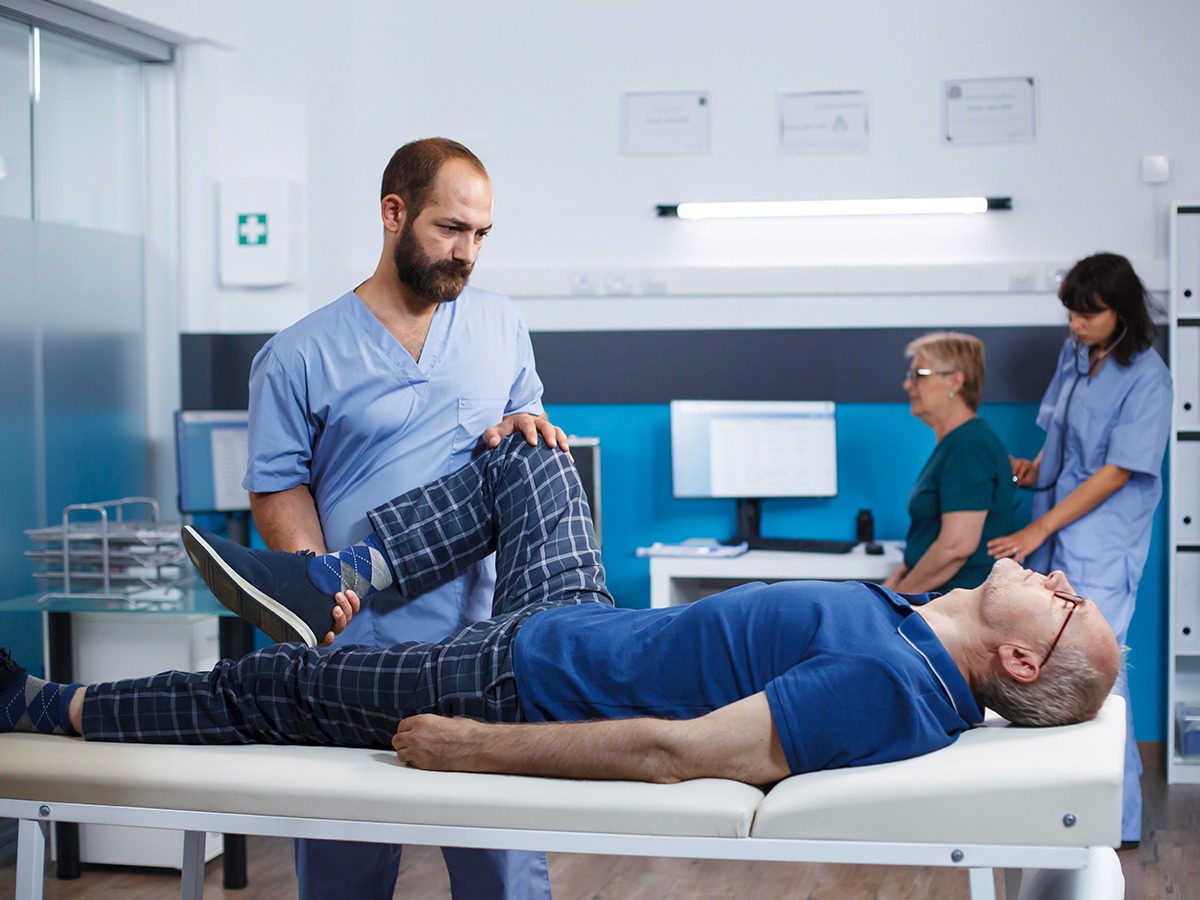
Joint pain can gradually change the way you live. A morning walk may become uncomfortable, climbing stairs may feel difficult, and everyday activities such as sitting, standing, or getting in and out of a car can become challenging. While occasional joint discomfort may improve with rest, persistent or worsening pain can be a sign that professional orthopaedic evaluation is needed.
With advances in orthopaedic medicine, patients today have access to a wide range of treatment options designed to reduce pain, improve joint function, and help restore mobility. From non-surgical treatments and physiotherapy to advanced procedures such as joint replacement, modern orthopaedic care focuses not only on treating the source of pain but also on helping patients return to an active and independent lifestyle.
For people searching for reliable Orthopaedics Services in Ludhiana, choosing an experienced hospital with comprehensive diagnostic, surgical, rehabilitation, and supportive care can make an important difference in the treatment journey. Mohandai Oswal Hospital, Ludhiana, provides specialised healthcare services with a focus on patient-centred treatment and advanced medical care.
Understanding Joint Pain
Joints connect bones and allow the body to move. Healthy joints make it possible to walk, bend, rotate, climb, sit, and perform countless everyday activities. However, joints can become painful due to ageing, injuries, excessive stress, inflammation, degeneration, or certain medical conditions.
Joint pain can affect almost any part of the body, including the knees, hips, shoulders, ankles, elbows, wrists, and hands. Among these, knee and hip problems are particularly common because these joints carry much of the body's weight and are continuously involved in movement.
The nature of joint pain can vary from person to person. Some people experience a dull, persistent ache, while others may experience sharp pain during movement. Stiffness, swelling, reduced range of motion, weakness, or a feeling of instability may also occur.
Ignoring persistent symptoms can sometimes allow the underlying condition to progress. This is why timely assessment by an orthopaedic specialist is important when pain starts interfering with daily activities.
Common Causes of Joint Pain
Joint pain can have many causes. Understanding the possible reasons can help patients recognise when medical attention may be necessary.
Osteoarthritis
Osteoarthritis is one of the most common causes of chronic joint pain. It occurs when the protective cartilage between bones gradually wears down. As cartilage becomes thinner, bones can experience increased friction, leading to pain, stiffness, and reduced movement.
The knees and hips are frequently affected by osteoarthritis. Symptoms may become more noticeable after prolonged walking, standing, climbing stairs, or other weight-bearing activities.
Sports and Other Injuries
Ligament injuries, fractures, cartilage damage, and other trauma can affect joint stability and movement. Even after an injury appears to heal, some patients may continue experiencing discomfort or restricted mobility.
Early evaluation and appropriate rehabilitation can help reduce the risk of long-term complications.
Age-Related Changes
As people grow older, natural changes in bones, muscles, cartilage, and connective tissues can influence joint health. However, persistent pain should not automatically be considered a normal part of ageing. An orthopaedic evaluation can help identify whether an underlying condition requires treatment.
Inflammation
Certain conditions can cause inflammation around the joints, resulting in swelling, stiffness, and pain. Proper diagnosis is essential because treatment depends on the underlying cause.
Excessive Joint Stress
Being overweight, performing repetitive physical activities, maintaining poor posture, or placing excessive strain on a joint can contribute to discomfort and degeneration over time.
When Should You See an Orthopaedic Specialist?
Not every episode of joint pain requires surgery or extensive treatment. However, persistent or recurring symptoms should not be ignored.
Consider consulting an orthopaedic specialist if you experience:
Joint pain that continues for several weeks
Increasing stiffness or difficulty moving
Swelling around a joint
Difficulty walking or bearing weight
Pain while climbing stairs
Repeated joint instability
Reduced ability to perform everyday activities
Pain that interferes with sleep
Symptoms that are becoming progressively worse
Persistent discomfort following an injury
An orthopaedic specialist can assess the symptoms, perform a physical examination, recommend appropriate diagnostic tests, and develop a treatment plan based on the patient's condition.
The Importance of Early Diagnosis
Early diagnosis can play an important role in managing many orthopaedic conditions. A patient experiencing knee pain, for example, may have anything from a temporary strain to cartilage damage or advanced joint degeneration. These conditions require different approaches.
Depending on the symptoms, an orthopaedic evaluation may involve a physical examination and imaging investigations such as X-rays, MRI scans, or other diagnostic tests.
The objective is to understand the cause of pain rather than simply managing the symptom. Once the underlying problem has been identified, the doctor can recommend the most appropriate treatment.
Advanced Orthopaedic Care: Beyond Pain Relief
Modern orthopaedic care has evolved significantly. Treatment is no longer limited to managing pain temporarily. The broader goal is to improve joint function, restore mobility, and help patients return to meaningful daily activities.
Depending on the condition, treatment may include lifestyle modifications, medications, physiotherapy, exercises, injections, assistive devices, minimally invasive procedures, or surgery.
The appropriate option depends on several factors, including the patient's age, overall health, severity of joint damage, activity level, symptoms, and response to previous treatments.
Non-Surgical Treatment Options
For many patients, surgery is not the first treatment option. Depending on the diagnosis, an orthopaedic specialist may recommend conservative management.
Physiotherapy
Physiotherapy can help strengthen muscles surrounding a joint, improve flexibility, enhance balance, and support functional movement. A structured exercise programme can be particularly useful for patients with mild to moderate joint problems.
Weight Management
Maintaining a healthy weight can reduce stress on weight-bearing joints such as the knees and hips. Even modest weight reduction may help reduce mechanical pressure on the joints and make physical activity easier.
Activity Modification
Patients may benefit from modifying activities that repeatedly aggravate their symptoms. Low-impact activities, appropriate stretching, and gradual strengthening may help maintain mobility without placing excessive stress on damaged joints.
Medication
Depending on the diagnosis, doctors may recommend medications to manage pain or inflammation. These should be taken only according to medical advice.
Assistive Devices
In selected cases, braces, walking aids, or other supportive devices may help improve stability and mobility.
When conservative treatment provides insufficient relief and joint damage becomes advanced, surgery may be considered.
When Is Joint Replacement Considered?
Joint replacement is generally considered when severe joint damage causes persistent pain and significantly affects quality of life, particularly when other treatment options have not provided adequate relief.
For patients with advanced knee arthritis, Knee Replacement Services in Ludhiana can provide an option for restoring function when the damaged joint is significantly affecting daily life.
The decision to undergo knee replacement should be based on a detailed evaluation by an experienced orthopaedic surgeon. Factors such as pain severity, mobility limitations, imaging findings, overall health, and previous treatments are considered.
Joint replacement is not simply about replacing a damaged joint. It is about helping an individual regain functional movement and improve independence.
Understanding Knee Replacement
The knee is a complex joint made up of bones, cartilage, ligaments, tendons, and other tissues. When severe arthritis or damage affects the joint, movement can become painful and restricted.
During knee replacement surgery, damaged portions of the joint are removed and replaced with artificial components designed to restore joint function.
The exact surgical approach depends on the patient's condition and the surgeon's assessment. Modern orthopaedic techniques aim to achieve accurate alignment, appropriate implant positioning, and effective restoration of joint movement.
However, every patient is different. The suitability of a particular procedure should always be determined after a detailed clinical evaluation.
What Can Patients Expect From Modern Knee Replacement Care?
A comprehensive knee replacement programme generally involves more than the operation itself. Effective care can include assessment before surgery, surgical planning, hospital care, pain management, physiotherapy, mobility training, and follow-up.
Before Surgery
Before a knee replacement procedure, the medical team evaluates the patient's general health and examines the condition of the knee. Imaging may be performed to understand the extent of joint damage.
The doctor may also discuss existing medications, previous treatments, lifestyle factors, and expectations regarding recovery.
This stage allows the medical team to identify potential risks and prepare an individualised treatment plan.
During Surgery
The surgical procedure involves removing damaged portions of the knee and placing artificial components. The technique used depends on factors such as the extent of damage, anatomy, and the surgeon's assessment.
Advanced surgical planning and appropriate technology can help the surgical team work toward accurate positioning and restoration of joint mechanics.
After Surgery
Recovery does not end when the surgery is completed. Rehabilitation plays an important role in helping patients regain strength, flexibility, balance, and confidence.
Physiotherapy may begin under professional supervision, with exercises gradually adjusted according to the patient's progress.
The pace of recovery varies from person to person. Following medical and physiotherapy recommendations is important for achieving the best possible functional outcome.
The Role of Rehabilitation in Restoring Mobility
A successful orthopaedic treatment journey is not only about treating the damaged joint. Rehabilitation is an important part of returning to normal activities.
After an orthopaedic procedure, physiotherapy may focus on:
Improving joint movement
Strengthening surrounding muscles
Improving balance and stability
Learning safe movement techniques
Gradually increasing walking ability
Building confidence during daily activities
Patients should follow their healthcare team's rehabilitation plan rather than attempting strenuous activities too quickly.
Consistent rehabilitation can support recovery and help patients make the most of their treatment.
Choosing the Best Orthopaedic Hospital in Ludhiana
Choosing the right healthcare facility is an important decision when dealing with chronic joint pain or considering orthopaedic surgery.
Patients searching for the Best Orthopaedic Hospital in Ludhiana should look beyond individual procedures and consider the overall quality and comprehensiveness of care.
Important factors include:
Experienced Orthopaedic Specialists
A strong orthopaedic programme should have qualified specialists who can diagnose a broad range of musculoskeletal conditions and recommend appropriate treatment options.
Comprehensive Diagnostic Facilities
Accurate diagnosis is essential for effective treatment. Access to appropriate imaging and diagnostic services can support better clinical decision-making.
Advanced Surgical Infrastructure
Patients undergoing surgery should have access to appropriate operating facilities, technology, infection-control practices, and trained medical professionals.
Rehabilitation Support
Physiotherapy and rehabilitation can significantly influence functional recovery. A hospital offering coordinated postoperative rehabilitation can provide continuity throughout the treatment journey.
Multidisciplinary Care
Orthopaedic patients may require support from surgeons, anaesthetists, physiotherapists, nurses, diagnostic specialists, and other healthcare professionals. Coordinated care can help address different aspects of the patient's treatment.
Patient-Centred Approach
Good orthopaedic care should consider the patient's lifestyle, expectations, concerns, and individual health needs rather than applying the same approach to every patient.
Orthopaedics Services in Ludhiana for Different Conditions
Orthopaedics covers a broad range of conditions affecting bones, joints, muscles, ligaments, tendons, and other components of the musculoskeletal system.
Comprehensive Orthopaedics Services in Ludhiana may include evaluation and management of:
Knee arthritis
Hip problems
Sports injuries
Fractures
Ligament injuries
Joint degeneration
Shoulder conditions
Musculoskeletal pain
Bone and joint injuries
Joint replacement needs
Mobility-related conditions
Rehabilitation requirements
The appropriate treatment depends on the patient's diagnosis and severity of the condition.
How Advanced Care Can Improve Quality of Life
Chronic joint pain can affect much more than physical movement. It can influence work, family activities, exercise, sleep, social interaction, and emotional well-being.
For someone who previously enjoyed walking but now avoids it because of knee pain, restoring mobility can represent a significant improvement in daily life. Similarly, being able to climb stairs, move around the house, or participate in routine activities with less discomfort can increase independence.
The objective of advanced orthopaedic care is therefore not simply to treat an X-ray finding. It is to address the patient's functional limitations and help them move toward a better quality of life.
Preparing for an Orthopaedic Consultation
Patients can make their consultation more productive by preparing relevant information in advance.
Consider keeping a record of:
When the pain started
Activities that increase or reduce symptoms
Previous injuries
Previous treatments
Current medications
Existing medical conditions
Previous imaging reports
Changes in mobility
Activities that have become difficult
Patients should also openly discuss their expectations with the orthopaedic specialist. Understanding the possible benefits, limitations, recovery process, and potential risks of treatment can help patients make informed decisions.
Lifestyle Habits That Support Joint Health
Medical treatment is only one part of maintaining long-term joint health. Healthy lifestyle habits can also support mobility.
Stay Physically Active
Regular, appropriate physical activity can help maintain muscle strength and joint flexibility. Low-impact activities may be more suitable for people with joint discomfort.
Maintain a Healthy Weight
Keeping body weight within a healthy range can reduce unnecessary stress on weight-bearing joints.
Strengthen Supporting Muscles
Strong muscles around the knees, hips, and other joints can provide support and improve functional movement.
Pay Attention to Posture and Movement
Using proper body mechanics while lifting, sitting, exercising, or performing repetitive tasks can help reduce unnecessary strain.
Do Not Ignore Persistent Pain
Pain that continues or progressively worsens deserves medical attention. Early assessment can help identify the cause and determine appropriate treatment.
Taking the Journey From Pain to Mobility
The journey from chronic joint pain to improved mobility can involve several stages: identifying the cause, exploring appropriate treatment options, managing the condition, undergoing treatment when necessary, and completing rehabilitation.
Not every patient needs surgery, and not every joint problem requires the same approach. The most suitable treatment should be determined through individual medical assessment.
For people living with persistent knee, hip, shoulder, or other joint problems, seeking professional orthopaedic advice can be an important first step.
At Mohandai Oswal Hospital, Ludhiana, patients can seek comprehensive orthopaedic evaluation and treatment designed around their individual needs. From diagnosis and conservative management to advanced surgical care and rehabilitation, an integrated approach can help patients work toward better mobility and greater independence.
Conclusion
Joint pain should not automatically become a permanent limitation on everyday life. With timely diagnosis, appropriate treatment, rehabilitation, and healthy lifestyle choices, many patients can improve their mobility and quality of life.
Modern orthopaedic care provides a wide spectrum of treatment options, from non-surgical management and physiotherapy to advanced procedures such as knee replacement when clinically appropriate.
If persistent knee or joint pain is affecting your ability to walk, work, exercise, or enjoy daily activities, consulting an experienced orthopaedic specialist can help you understand the cause and available treatment options.
For individuals looking for Knee Replacement Services in Ludhiana, comprehensive Orthopaedics Services in Ludhiana, or a trusted Best Orthopaedic Hospital in Ludhiana, Mohandai Oswal Hospital can be a destination for professional evaluation, advanced orthopaedic treatment, and rehabilitation support.
The goal of orthopaedic care is ultimately simple: helping patients move better, regain independence, and get back to the activities that matter to them—with treatment decisions guided by qualified medical professionals and the individual needs of every patient.
From Pain to Progress: Understanding the Role of Physiotherapy

Neurological Symptoms

Understanding Mental Health: Why Taking Care of Your Mind Matters
Laparoscopic Surgery: What Is It and How Does It Work?

Women’s health needs change at every stage of life. From the beginning of menstruation to pregnancy, motherhood, and menopause, women may experience...
.png)