


Women’s Health & Wellness: When to Consult an OB-Gynaecologist in Ludhiana

Women’s health needs change at every stage of life. From the beginning of menstruation to pregnancy, motherhood, and menopause, women may experience physical, hormonal, and reproductive changes. While some changes are a normal part of life, others may need medical attention.
Many women delay visiting a gynaecologist because they feel their symptoms are normal, they are busy with daily responsibilities, or they are unsure whether a consultation is necessary. However, early medical advice can help identify health concerns and provide the right treatment at the right time.
An OB-Gynaecologist provides specialised care for women’s reproductive health, pregnancy, childbirth, and related health concerns. If you live in Ludhiana and are looking for reliable obs & gynaecology services in Ludhiana, understanding when to consult a specialist can help you make better healthcare decisions.
Mohandai Oswal Hospital, Ludhiana, provides women’s healthcare services for different stages of life. From routine gynaecological concerns and pregnancy care to reproductive health and menopause-related issues, professional medical guidance can help women take better care of their health.
What Does an OB-Gynaecologist Do?
An OB-Gynaecologist is a doctor who specialises in obstetrics and gynaecology.
Obstetrics focuses on pregnancy, antenatal care, childbirth, and the health of the mother and baby during and after pregnancy.
Gynaecology focuses on the female reproductive system and related health concerns. These may include menstrual problems, hormonal changes, infections, fertility concerns, contraception, menopause, and conditions affecting the uterus, ovaries, cervix, and other reproductive organs.
Women may need an OB-Gynaecologist at different stages of life. You do not have to wait until you have a serious health problem before consulting a specialist.
Why Is Regular Gynaecological Care Important?
Regular healthcare helps women understand changes in their bodies and identify potential concerns early. A gynaecological consultation is not only for treating illness. It can also be useful for preventive care, family planning, pregnancy preparation, contraception, and maintaining reproductive health.
A woman's healthcare needs can change with age. For example, teenagers may need guidance about menstruation, women in their reproductive years may need fertility or pregnancy care, and women approaching menopause may need help managing hormonal changes.
Regular communication with a qualified OB-Gynaecologist can help women make informed decisions about their health.
Signs That You Should Consult an OB-Gynaecologist
There are several situations when a visit to an OB-Gynaecologist may be appropriate. Some of the most common reasons are explained below.
1. Irregular Periods
Menstrual cycles can change due to hormonal fluctuations, stress, lifestyle changes, weight changes, or other factors. However, if your periods remain irregular for several cycles, it is important to discuss the changes with a doctor.
You should consider consulting an OB-Gynaecologist if:
Your periods frequently come earlier or later than expected.
You miss periods without a known reason.
Your periods suddenly become different from your usual pattern.
You experience bleeding between periods.
Your periods last much longer than usual.
Your menstrual flow becomes significantly heavier.
Irregular periods can sometimes be linked to hormonal conditions such as PCOS, thyroid problems, or other reproductive health concerns. A specialist can help identify the possible cause.
2. Severe or Painful Periods
Mild cramps during periods are common. However, severe pain that affects your daily activities should not be ignored.
If menstrual pain makes it difficult to work, attend school, exercise, sleep, or carry out normal activities, speak with an OB-Gynaecologist.
Severe or persistent period pain can sometimes be associated with conditions such as endometriosis, adenomyosis, fibroids, or other pelvic health problems.
A proper medical evaluation can help determine the cause and identify suitable treatment options.
3. Heavy Menstrual Bleeding
Heavy menstrual bleeding can affect a woman's quality of life. In some cases, prolonged or heavy bleeding may also contribute to iron deficiency or anaemia.
You should consider seeing a gynaecologist if you experience:
Very heavy menstrual flow
Periods that continue for an unusually long time
Frequent need to change sanitary products
Large blood clots
Weakness or unusual tiredness during or after periods
Heavy bleeding can have several possible causes, including hormonal changes, fibroids, polyps, or other medical conditions.
A specialist can assess your symptoms and recommend further evaluation when necessary.
4. Persistent Pelvic Pain
Pelvic pain can occur for different reasons. Occasional discomfort may not always be a cause for concern, but persistent or repeated pelvic pain should be evaluated.
Pelvic pain may be related to menstrual problems, ovarian cysts, endometriosis, fibroids, infections, urinary problems, or other conditions.
If you have ongoing pain in your lower abdomen or pelvic area, especially if it affects your daily activities, consult an OB-Gynaecologist.
Sudden or severe pelvic pain requires prompt medical attention, particularly if it occurs with heavy bleeding, fever, fainting, or significant weakness.
5. Unusual Vaginal Discharge
Vaginal discharge is normal and can change during the menstrual cycle. However, a sudden or persistent change may require medical evaluation.
Consult a gynaecologist if your discharge is accompanied by:
A strong or unusual smell
Significant colour changes
Persistent itching
Burning or irritation
Pelvic discomfort
Pain while urinating
Pain during sexual intercourse
These symptoms may be related to an infection or another gynaecological condition.
It is better to seek professional advice instead of using medicines without knowing the cause of the symptoms.
6. Symptoms of PCOS
Polycystic ovary syndrome, commonly called PCOS, is a hormonal condition that can affect periods, ovulation, skin, hair growth, weight, and fertility.
Some common signs may include:
Irregular periods
Missed periods
Persistent acne
Excess facial or body hair
Difficulty becoming pregnant
Unexplained weight changes
Having one or more of these symptoms does not automatically mean that you have PCOS. A doctor may review your symptoms, medical history, examination findings, and appropriate investigations before making a diagnosis.
Early medical advice can help women understand their condition and manage it appropriately.
7. When You Are Planning a Pregnancy
You do not need to wait until you become pregnant to consult an OB-Gynaecologist.
If you are planning a family, a pre-pregnancy consultation can help you prepare for a healthy pregnancy. Your doctor may discuss your medical history, menstrual cycle, medications, lifestyle, nutrition, previous pregnancies, and any existing health concerns.
A preconception consultation can also help identify certain health issues that may need attention before pregnancy.
Professional guidance can give you a clearer understanding of the steps you can take before starting your pregnancy journey.
8. Difficulty Conceiving
Fertility problems can affect both women and men. If you have been trying to conceive without success, an OB-Gynaecologist can help you understand whether further evaluation may be needed.
Your doctor may review your menstrual cycle, ovulation, reproductive history, previous pregnancies, and overall health.
Depending on the situation, both partners may need to be evaluated because fertility concerns can have different causes.
Seeking professional medical advice can help couples understand their options and avoid unnecessary delays.
9. Pregnancy Confirmation and Care
Once you know that you are pregnant, consulting an obstetrician is an important step.
Pregnancy involves many physical and hormonal changes. Regular antenatal care allows the healthcare team to monitor the health of the mother and baby throughout pregnancy.
Depending on your individual needs, pregnancy care may include:
Regular health check-ups
Blood pressure monitoring
Weight monitoring
Blood and urine tests
Ultrasound examinations
Monitoring the baby's growth
Assessment of pregnancy-related risks
Guidance about nutrition and lifestyle
Every pregnancy is different, so the care plan should be based on your individual health and pregnancy requirements.
10. Concerning Symptoms During Pregnancy
Pregnancy can cause many normal changes, but some symptoms require medical attention.
Contact your obstetrician if you experience symptoms such as:
Vaginal bleeding
Severe abdominal pain
Severe or persistent vomiting
Fluid leakage
High fever
Severe headache
Changes in vision
Sudden or significant swelling
Other unusual or concerning symptoms
If symptoms are severe or sudden, seek urgent medical care rather than waiting for a routine appointment.
11. Postpartum Care After Delivery
A woman's healthcare needs continue after childbirth.
The postpartum period is an important time for physical recovery and adjustment. An OB-Gynaecologist can help monitor recovery after vaginal or surgical delivery and address concerns related to menstrual health, contraception, breastfeeding, pelvic health, and future pregnancy planning.
Women should seek medical advice if they experience heavy bleeding, fever, severe pain, problems with healing, or other unusual symptoms after delivery.
Postpartum care also provides an opportunity to discuss emotional wellbeing and other changes that may occur after childbirth.
12. Contraception and Family Planning
Women have different family-planning goals at different stages of life. An OB-Gynaecologist can help you understand contraception and choose an option based on your health and individual needs.
Your doctor may consider factors such as your age, medical history, menstrual cycle, future pregnancy plans, and personal preferences.
It is better to discuss contraception with a qualified healthcare professional instead of choosing a method based only on recommendations from friends, social media, or other non-medical sources.
13. Repeated Gynaecological Infections
Occasional infections can occur, but repeated symptoms should not be ignored.
If you frequently experience vaginal itching, burning, unusual discharge, irritation, or discomfort, consult an OB-Gynaecologist.
Repeated symptoms may have an underlying cause that needs to be identified. Your doctor can review your symptoms and medical history and recommend appropriate tests or treatment if required.
Avoid taking medication repeatedly without medical advice, especially when symptoms continue to return.
14. Menopause and Hormonal Changes
Menopause is a natural stage of life. However, the transition can cause symptoms that may affect daily activities and overall comfort.
Women approaching or experiencing menopause may notice:
Irregular periods
Hot flashes
Night sweats
Sleep problems
Mood changes
Vaginal dryness
Urinary changes
Changes in sexual health
If these symptoms are affecting your quality of life, an OB-Gynaecologist can help you understand the changes and discuss appropriate management options.
Women should not feel that they have to simply tolerate symptoms that interfere with their daily lives.
15. Bleeding After Menopause
Any vaginal bleeding after menopause should be discussed with a healthcare professional.
Postmenopausal bleeding can have different causes. Although some causes may be less serious, medical evaluation is important to determine why the bleeding is occurring.
An OB-Gynaecologist can assess your symptoms and recommend appropriate examination or investigations when necessary.
Early evaluation can provide clarity and help ensure that any required treatment is not delayed.
16. Concerns About Breast or Reproductive Health
Women should pay attention to new or unusual changes in their bodies.
If you notice a new breast lump, unexplained nipple discharge, changes in the skin of the breast, persistent pelvic discomfort, or other unusual symptoms, seek appropriate medical advice.
Your doctor can determine whether further examination or diagnostic tests are required.
Being aware of your normal health pattern can help you recognise changes that need attention.
17. Preventive Women's Healthcare
You do not always need to wait until symptoms appear before visiting an OB-Gynaecologist.
Preventive healthcare can help women discuss important areas such as:
Menstrual health
Reproductive health
Contraception
Pregnancy planning
Fertility
Menopause
Age-appropriate health screening
General wellness concerns
The type of examination or screening required depends on factors such as age, symptoms, family history, medical history, and individual risk.
Your doctor can recommend appropriate preventive care based on your personal health requirements.
What to Expect During an OB-Gynaecology Consultation
Many women feel nervous about visiting a gynaecologist, especially if it is their first appointment. Knowing what to expect can make the process more comfortable.
The consultation usually begins with a discussion about your symptoms, menstrual history, medical background, medications, previous pregnancies, and current concerns.
Depending on your symptoms, the doctor may recommend a physical examination or diagnostic tests such as blood tests or ultrasound.
Not every woman requires the same tests. Your doctor will recommend investigations based on your symptoms and medical needs.
After the evaluation, your doctor can explain the findings and discuss suitable treatment, lifestyle changes, monitoring, or further investigations.
How to Prepare for Your Appointment
A little preparation can make your appointment more useful.
Before visiting your OB-Gynaecologist, keep information about:
Your last menstrual period
Your usual menstrual cycle
Any recent changes in your periods
The symptoms you are experiencing
How long the symptoms have been present
Current medicines and supplements
Previous surgeries or major health conditions
Previous pregnancies, if applicable
Fertility or contraception concerns
Relevant family medical history
Most importantly, be honest about your symptoms and concerns. There is no need to feel embarrassed about discussing reproductive health with a qualified medical professional.
Choosing OB-Gynaecology Services in Ludhiana
Choosing the right healthcare provider is an important decision for every woman. A hospital with qualified specialists and comprehensive healthcare facilities can make it easier to receive appropriate care when you need it.
If you are searching for obs & gynaecology services in Ludhiana, Mohandai Oswal Hospital can be considered for professional women’s healthcare needs. The hospital provides medical care for different obstetric and gynaecological concerns in a patient-focused environment.
Whether you need help with menstrual problems, pregnancy care, fertility concerns, contraception, postpartum recovery, or menopause-related symptoms, consulting a qualified specialist can help you understand your health better.
For women looking for an obs & gynaecology doctor in Ludhiana, it is important to choose a qualified medical professional who listens to your concerns, evaluates your symptoms carefully, and provides guidance according to your individual healthcare needs.
Take an Active Role in Your Health
Women's health deserves attention at every stage of life. You should not ignore persistent symptoms simply because they seem common or manageable.
Irregular periods, severe menstrual pain, heavy bleeding, unusual discharge, pelvic pain, fertility concerns, pregnancy symptoms, postpartum problems, and menopause-related changes can all be reasons to consult an OB-Gynaecologist.
At the same time, you do not need to wait for symptoms to appear before taking care of your reproductive health. Preventive consultations and professional guidance can help you understand your body and make informed healthcare decisions.
If you are looking for obs & gynaecology services in Ludhiana, professional medical care can provide the guidance you need at different stages of your life.
Mohandai Oswal Hospital, Ludhiana, is committed to providing comprehensive healthcare support for women. From routine gynaecological consultations to pregnancy care and other women's health concerns, timely medical advice can help women take confident and informed steps towards better health.
Listen to your body, do not ignore persistent changes, and consult a qualified OB-Gynaecologist whenever you have concerns about your reproductive or women's health.
From Pain to Progress: Understanding the Role of Physiotherapy
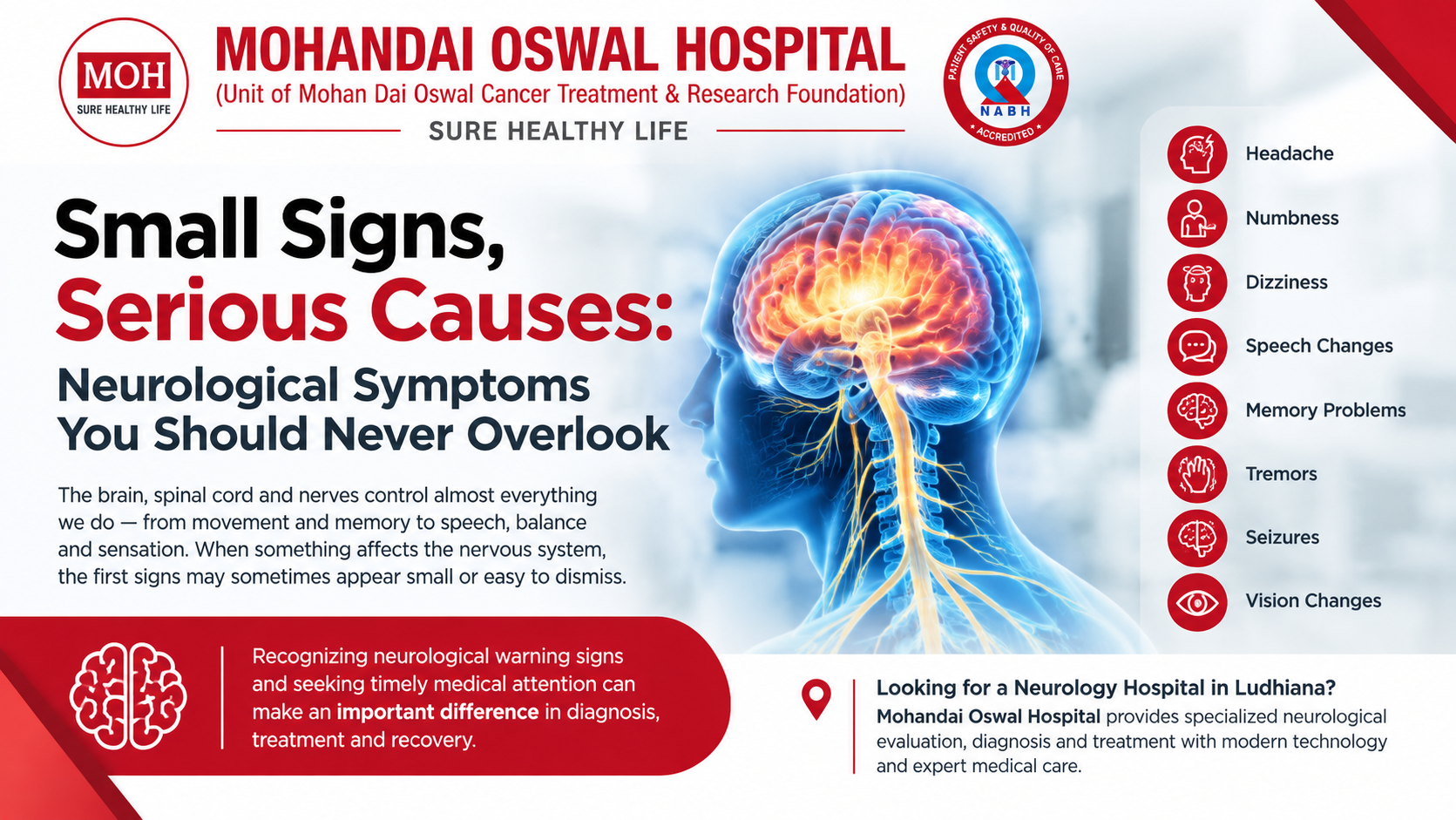
Neurological Symptoms

Understanding Mental Health: Why Taking Care of Your Mind Matters
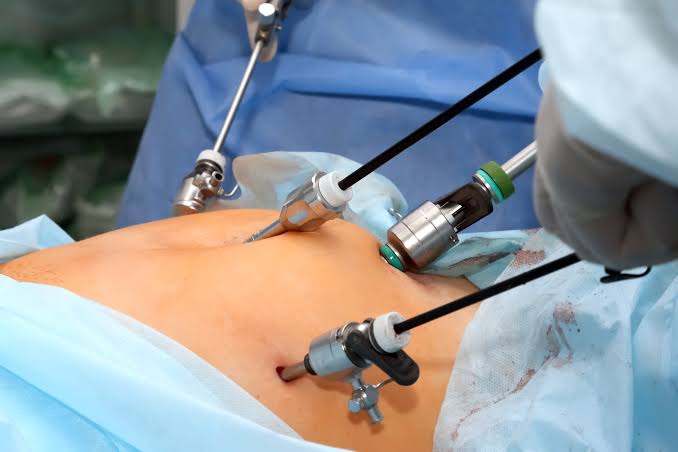
Laparoscopic Surgery: What Is It and How Does It Work?

Medical Oncology Treatment: Types, Process and What to Expect A cancer diagnosis often brings a flood of questions, and one of the most common concer...
.png)