


Medical Oncology Treatment: Types, Process and What to Expect
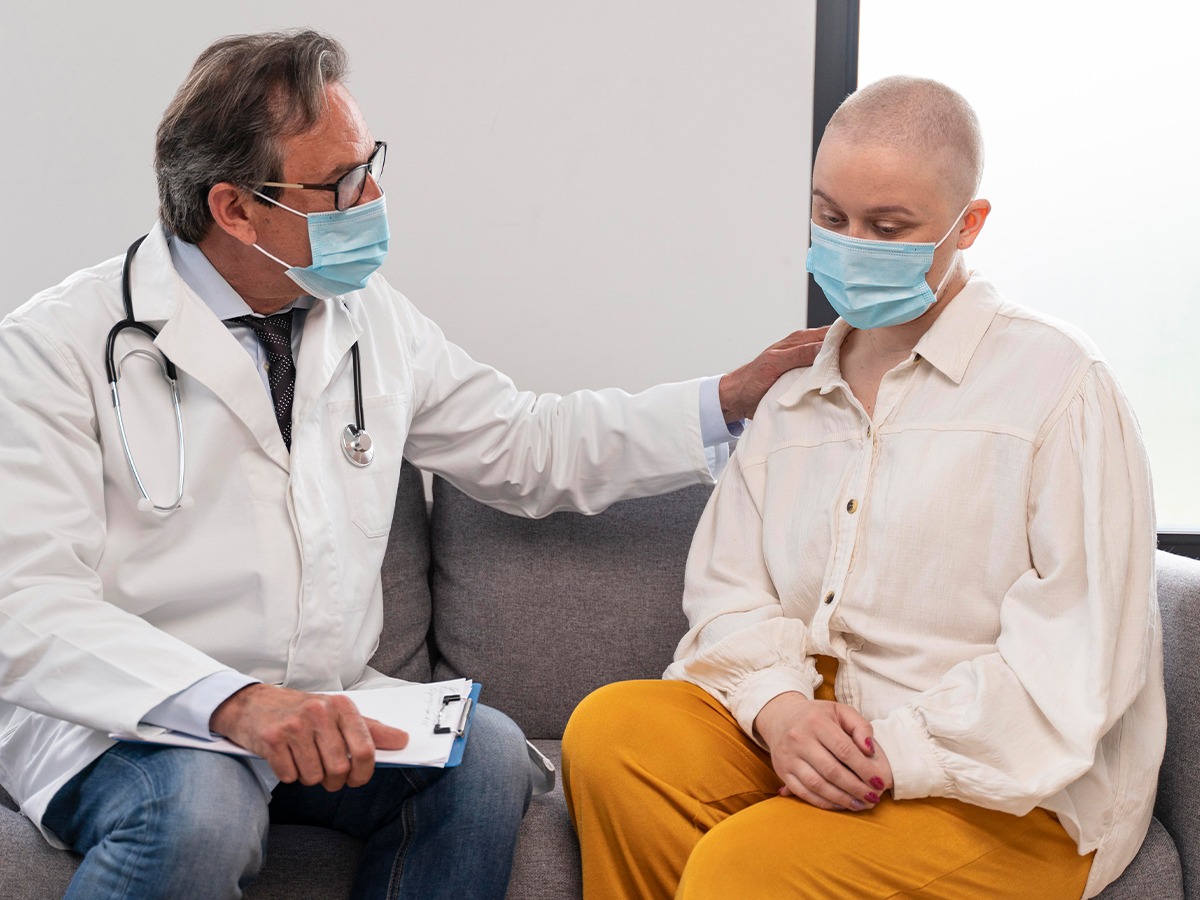
Medical Oncology Treatment: Types, Process and What to Expect
A
cancer diagnosis often brings a flood of questions, and one of the most common
concerns is what treatment will actually involve. Medical oncology plays a
central role in cancer care, focusing on the use of medicines and systemic
therapies to treat cancer, control its spread, and improve quality of life.
Understanding the types of treatment available and what the process looks like
can help patients and families feel more prepared as they move forward.
Patients
exploring Medical Oncology Services in Ludhiana can benefit from access to
experienced oncologists, advanced diagnostic support, and coordinated treatment
planning under one roof. Mohandai Oswal Hospital, Ludhiana, provides
comprehensive oncology care with a focus on individualised, patient-centred
treatment.
What Is Medical Oncology?
Medical
oncology is the branch of medicine concerned with diagnosing and treating
cancer using medications rather than surgery or radiation alone. A medical oncologist
often plays a coordinating role in a patient's overall cancer care, working
alongside surgeons, radiation oncologists, and other specialists to determine
the most appropriate combination of treatments.
Treatment
decisions in medical oncology depend on several factors, including the type and
stage of cancer, its location, the patient's overall health, and how the cancer
is likely to respond to different therapies.
Types of Medical Oncology Treatment
There
is no single approach to treating cancer, and most treatment plans are tailored
to the individual patient.
Chemotherapy
: Chemotherapy uses drugs
to destroy or slow the growth of cancer cells. It may be given before surgery
to shrink a tumour, after surgery to reduce the risk of recurrence, or as the
primary treatment for certain cancers.
Targeted
Therapy : Targeted therapy
uses drugs designed to act on specific molecules or pathways involved in cancer
growth. Because it targets particular features of cancer cells, this approach
can sometimes cause fewer side effects than traditional chemotherapy.
Immunotherapy : Immunotherapy works by helping the
body's own immune system recognise and fight cancer cells. It has become an
important treatment option for several types of cancer, particularly in cases where
other treatments have not been fully effective.
Hormonal
Therapy : For certain
cancers that are influenced by hormones, such as some breast and prostate
cancers, hormonal therapy can help slow or stop cancer growth by altering
hormone levels or blocking their effects.
The
choice between these options, or a combination of them, is determined by the
oncologist based on the specific diagnosis and treatment goals.
Why Medical Oncology Treatment May Be Needed
Medical
oncology treatment may be recommended for a wide range of cancers, including at
different stages of the disease. It may be used to cure cancer, control its
growth, relieve symptoms, or reduce the risk of recurrence after surgery.
Common
situations where medical oncology treatment is considered include:
Newly
diagnosed cancers requiring systemic treatment
Cancers
that have spread beyond their original site
Reducing
tumour size before surgery
Lowering
the risk of recurrence after surgery
Managing
symptoms in advanced-stage cancer
The
specific approach is always based on a detailed evaluation of the patient's
diagnosis, overall health, and treatment goals.
Symptoms That May Prompt an Oncology Evaluation
Certain
symptoms should prompt patients to seek a specialist evaluation rather than
assuming they will resolve on their own. Consider consulting an oncologist if
you experience unexplained weight loss, persistent fatigue, a lump or unusual
swelling, changes in bowel or bladder habits, prolonged cough or hoarseness,
unusual bleeding, or a wound that does not heal. An oncologist can evaluate
these symptoms through appropriate diagnostic tests and determine whether
further treatment is required.
The Medical Oncology Treatment Process
Before
starting treatment, the medical team conducts a thorough evaluation, including
diagnostic tests, imaging, and staging, to understand the extent of the
disease. This information helps the oncologist recommend the most appropriate
treatment plan, which may involve one therapy or a combination of approaches.
Once
treatment begins, patients typically attend scheduled sessions, whether for
chemotherapy infusions, targeted therapy, or other systemic treatments, with
the frequency and duration depending on the specific regimen. Throughout
treatment, the care team monitors the patient's response through regular blood
tests and imaging, adjusting the plan as needed.
Side
effects vary depending on the type of treatment and the individual patient, and
supportive care is often provided alongside treatment to help manage symptoms
such as nausea, fatigue, or changes in appetite.
Life During and After Treatment
Cancer
treatment can affect daily life in different ways, and adjusting to these
changes is part of the overall journey. Patients are usually advised to
maintain regular follow-up appointments, communicate openly with their care
team about side effects, and pay attention to nutrition and rest during
treatment.
Once
active treatment is completed, ongoing monitoring remains important to track
recovery and watch for any signs of recurrence. The pace of recovery varies
from person to person, and many patients gradually return to their normal
routines as their strength improves.
A Coordinated Approach to Cancer Care
Cancer
treatment often involves more than medication alone. At Mohandai Oswal
Hospital, Ludhiana, patients can access comprehensive Medical Oncology Services
in Ludhiana, supported by experienced oncologists, advanced diagnostic
facilities, and coordinated care designed around each patient's individual
needs.
Conclusion
Medical
oncology treatment plays a vital role in the overall management of cancer, offering
a range of options tailored to each patient's diagnosis and goals. While the
treatment journey can be demanding, timely diagnosis and specialised care can
significantly improve outcomes. If you or a loved one has been advised to consider
medical oncology treatment, consulting an experienced oncologist can help you
understand the diagnosis, available options, and what to expect at every stage.
Frequently Asked Questions
1. Is medical oncology treatment the same as surgery? No. Medical oncology involves treating
cancer with medications such as chemotherapy, targeted therapy, immunotherapy,
or hormonal therapy, rather than through surgical removal.
2. How long does medical oncology treatment usually take? Treatment duration varies widely depending
on the type and stage of cancer, the specific therapy used, and how the patient
responds, ranging from several weeks to several months.
3. Are the side effects of treatment the same for everyone? No. Side effects depend on the type of
treatment, dosage, and individual patient factors, and the care team provides
supportive measures to help manage them throughout treatment.
When Memories Begin to Fade: Understanding Alzheimer’s Beyond Forgetfulness “I know her face… but why can’t I remember her name?” For most...
From Pain to Progress: Understanding the Role of Physiotherapy
Neurological Symptoms

Understanding Mental Health: Why Taking Care of Your Mind Matters
Laparoscopic Surgery: What Is It and How Does It Work?
.png)