

Laparoscopic Surgery: What Is It and How Does It Work?
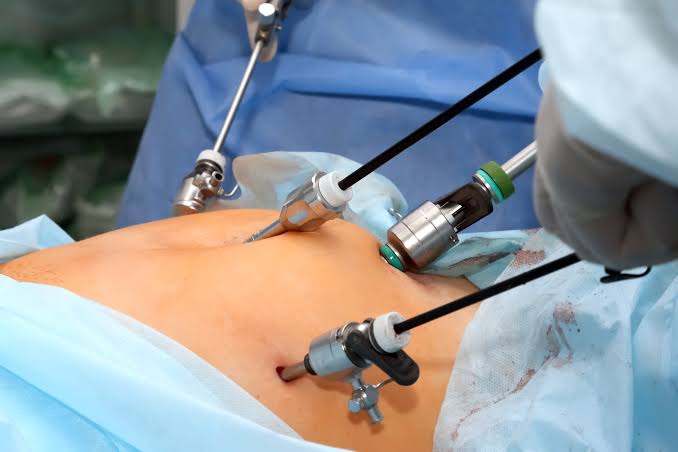
Advances in medical technology have
transformed the way many surgical procedures are performed. One of the most
important developments in modern surgery is laparoscopic surgery, also known as minimally invasive surgery. It
allows surgeons to perform several procedures through small incisions rather
than a large surgical cut.
Laparoscopic surgery uses a
specialized instrument called a laparoscope,
which has a small camera and light attached to it. The camera provides a clear
and magnified view of the internal organs on a monitor, allowing the surgeon to
perform the procedure with precision.
This approach is commonly used for
various conditions involving the abdomen and pelvis and may offer benefits such
as smaller scars, less postoperative discomfort, and faster recovery in many
cases.
At Mohandai Oswal Hospital, modern surgical techniques are combined
with experienced specialists, advanced technology, and patient-focused care to
provide comprehensive treatment for a wide range of surgical conditions.
What
Is Laparoscopic Surgery?
Laparoscopic surgery is a minimally invasive surgical technique
in which surgeons operate through small openings instead of making one large
incision.
During the procedure, a laparoscope
is inserted through a small incision. The camera attached to the laparoscope
transmits images of the inside of the body to a high-resolution monitor. The
surgeon then uses specialized instruments inserted through additional small incisions
to perform the required procedure.
Compared with traditional open
surgery, laparoscopic surgery generally involves smaller incisions and less
disruption to the surrounding tissues. However, the suitability of this
approach depends on the patient's condition, medical history, and type of
surgery required.
How
Does Laparoscopic Surgery Work?
Although the exact steps vary
depending on the procedure, laparoscopic surgery generally involves the
following stages:
1. Anaesthesia
Before surgery, the patient is given
anaesthesia to ensure comfort and prevent pain during the procedure. The type
of anaesthesia depends on the surgical procedure and the patient's overall
health.
2. Making
Small Incisions
The surgeon makes a few small
incisions, usually in the abdomen. The number and location of these incisions
depend on the procedure being performed.
3.
Inserting the Laparoscope
A laparoscope containing a small
camera and light is inserted through one of the incisions. The camera sends
enlarged images of the internal organs to a monitor in the operating room.
4.
Inserting Surgical Instruments
Specialized surgical instruments are
introduced through the other small incisions. The surgeon carefully guides
these instruments while viewing the surgical area on the monitor.
5.
Performing the Surgery
Using the magnified images provided
by the camera, the surgeon performs the required treatment. The technique
allows the surgeon to work precisely while minimizing unnecessary disruption to
surrounding tissues.
6.
Closing the Incisions
Once the procedure is completed, the
laparoscope and surgical instruments are removed. The small incisions are then
closed, usually with sutures or other appropriate methods.
The overall duration of laparoscopic
surgery depends on the type and complexity of the procedure.
What
Conditions Can Be Treated with Laparoscopic Surgery?
Laparoscopic techniques can be used
for several surgical conditions. Some common procedures include:
- Gallbladder
surgery
- Hernia
repair
- Appendix
surgery
- Certain
gastrointestinal surgeries
- Some
gynecological procedures
- Certain
abdominal and pelvic surgeries
- Some
weight-loss procedures
Laparoscopic surgery is not
appropriate for every patient or every condition. A surgeon evaluates the
patient's diagnosis, medical history, previous surgeries, and overall health
before recommending the most suitable surgical approach.
What
Are the Benefits of Laparoscopic Surgery?
One of the main reasons laparoscopic
surgery is widely used is because it can reduce the physical impact of surgery
compared with some traditional open procedures.
Depending on the type of surgery,
potential benefits may include:
- Smaller
surgical incisions
- Less
postoperative pain
- Reduced
blood loss in many procedures
- Lower
risk of certain wound-related complications
- Shorter
hospital stay
- Faster
recovery in many patients
- Earlier
return to routine activities
- Smaller
and less noticeable scars
It is important to remember that
recovery and outcomes differ from one patient to another. The benefits depend
on the procedure, the patient's health, and whether any complications occur.
Laparoscopic
Surgery vs Open Surgery
The primary difference between
laparoscopic and open surgery is how the surgeon accesses the affected area.
In open surgery, the surgeon makes a larger incision to directly
access the area requiring treatment. In laparoscopic
surgery, the procedure is performed through small incisions using a
camera and specialized instruments.
Laparoscopic surgery may result in
smaller scars, reduced postoperative discomfort, and a quicker recovery for
many patients. However, open surgery may still be recommended when a condition
is complex or when laparoscopic surgery is not considered appropriate.
The decision between laparoscopic
and open surgery should always be made by the treating surgeon after a complete
medical evaluation.
What
Can You Expect Before Laparoscopic Surgery?
Before the procedure, the surgical
team evaluates the patient's overall health and reviews their medical history.
Depending on the procedure, the doctor may recommend blood tests, imaging, or
other investigations.
Patients are also given instructions
regarding:
- Food and fluid intake before
surgery
- Medications that may need to be
adjusted
- Preparation for hospital
admission
- Expected recovery period
- Postoperative care
Understanding the procedure and
following the surgical team's instructions can help patients prepare for
surgery and recovery.
Recovery
After Laparoscopic Surgery
Recovery after laparoscopic surgery
varies depending on the type of procedure and the patient's overall health.
Some patients may experience
temporary discomfort, tiredness, bloating, or soreness around the incision
sites. These symptoms generally improve as recovery progresses.
After surgery, patients may receive
guidance regarding:
- Pain
management
- Diet
and fluid intake
- Wound
care
- Physical
activity
- Medication
- Follow-up
appointments
Patients are usually encouraged to
gradually return to normal activities according to their surgeon's advice.
Avoiding strenuous activity until the surgical team gives clearance can help
support proper healing.
Is
Laparoscopic Surgery Safe?
Laparoscopic surgery is a widely
used surgical technique and can be safe and effective for appropriately
selected patients when performed by an experienced surgical team.
However, like any surgical
procedure, it carries potential risks. These may include bleeding, infection,
complications related to anaesthesia, or injury to nearby organs or tissues.
Before surgery, the surgeon
discusses the expected benefits, possible risks, alternatives, and recovery
process with the patient. This helps patients make informed decisions about
their treatment.
When
Should You Consult a Surgeon?
If you have been diagnosed with a
condition that may require surgery, it is important to consult a qualified
surgeon rather than delaying treatment.
A surgical consultation can help
determine:
- Whether surgery is necessary
- Whether laparoscopic surgery is
suitable
- What type of procedure may be
required
- What preparation is needed
- How long recovery may take
- What risks and benefits are
associated with the procedure
Early evaluation can help ensure
that the appropriate treatment is considered at the right time.
Frequently
Asked Questions
Is
laparoscopic surgery painful?
The procedure is performed under
anaesthesia, so patients do not experience pain during the surgery. Some
discomfort or soreness may occur during recovery, which can generally be
managed with medicines prescribed by the doctor.
How
long does it take to recover from laparoscopic surgery?
Recovery depends on the type of
surgery and the individual's health. Many patients may recover faster than they
would after comparable open surgery, but the exact recovery period should be
discussed with the treating surgeon.
Does
laparoscopic surgery leave scars?
Yes. Laparoscopic surgery involves
small incisions, so it generally leaves smaller scars compared with the larger
incision used in traditional open surgery.
Is
laparoscopic surgery suitable for everyone?
No. Laparoscopic surgery may not be
suitable for every patient or every surgical condition. The surgeon considers
factors such as the patient's medical history, condition, previous surgeries,
and complexity of the procedure before recommending it.
Can
laparoscopic surgery be used for emergency procedures?
In some emergency situations,
laparoscopic surgery may be possible. However, the choice of surgical technique
depends on the patient's condition, the urgency of treatment, and the surgeon's
assessment.
Conclusion
Laparoscopic surgery has become an
important part of modern surgical care, offering a minimally invasive approach
for many common surgical conditions. By using small incisions, a camera, and
specialized instruments, surgeons can perform complex procedures while
potentially reducing postoperative discomfort and recovery time.
However, laparoscopic surgery is not
automatically the best option for every patient. The appropriate surgical
approach depends on the condition being treated and the patient's individual
health needs.
At Mohandai Oswal Hospital, patients receive comprehensive surgical
care supported by experienced specialists, advanced technology, and a
patient-first approach. From consultation and diagnosis to surgery and
recovery, the focus remains on providing safe, personalized, and effective care
at every stage of the treatment journey.

Women’s health needs change at every stage of life. From the beginning of menstruation to pregnancy, motherhood, and menopause, women may experience...

Medical Oncology Treatment: Types, Process and What to Expect A cancer diagnosis often brings a flood of questions, and one of the most common concer...
Joint pain can gradually change the way you live. A morning walk may become uncomfortable, climbing stairs may feel difficult, and everyday activities...

A cancer diagnosis can be overwhelming, bringing uncertainty and many questions about treatment and recovery. However, advancements in medical science...
Your urinary system plays a vital role in keeping your body healthy by filtering waste, balancing fluids, and maintaining essential minerals. Despite ...