


Common Vision Problems and Their Modern Treatments
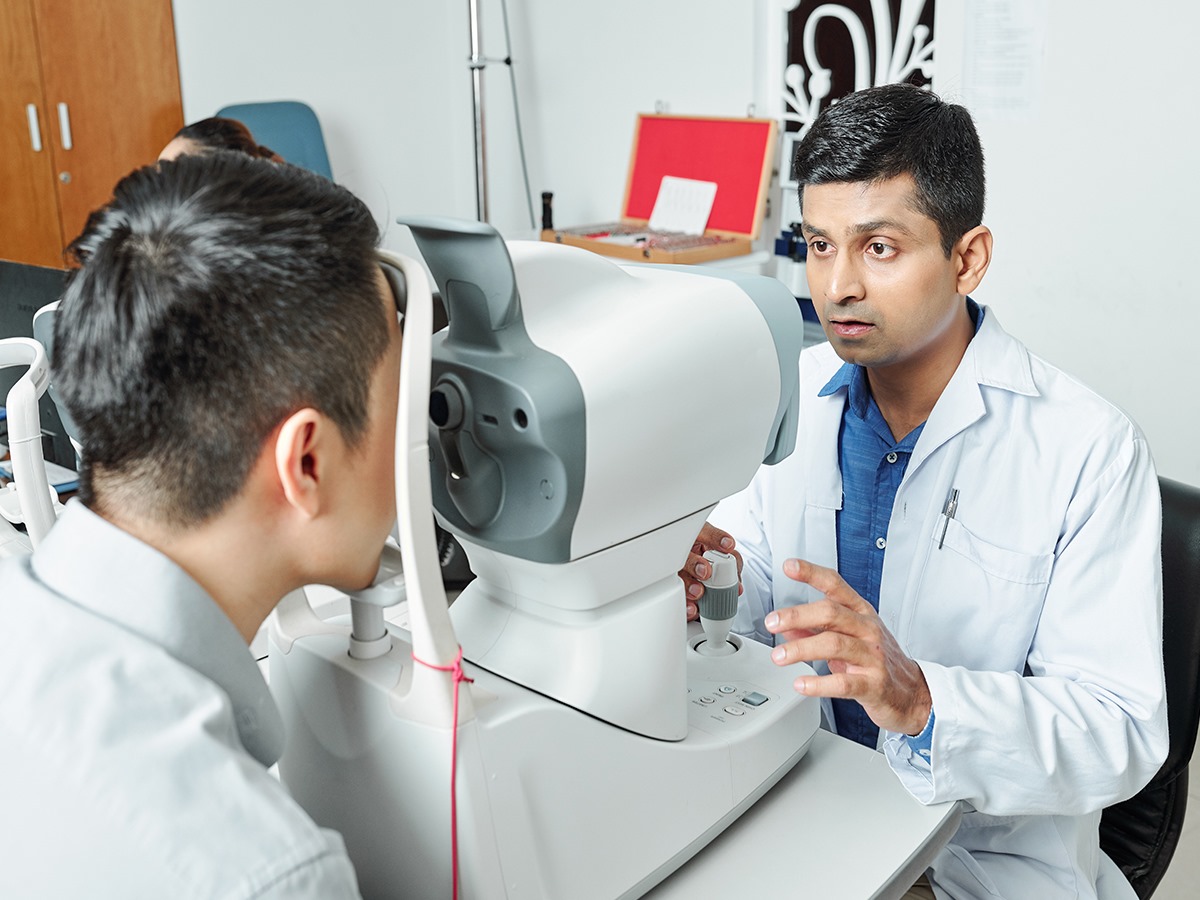
Vision is one of our most valued senses, allowing us to experience the world in vivid color and detail. Yet, millions of people worldwide struggle with vision problems that can affect their quality of life, productivity, and overall health. Fortunately, advances in ophthalmology have brought forth highly effective and minimally invasive treatments that restore and preserve sight like never before.
At Mohandai Oswal Hospital, Ludhiana, we take pride in offering advanced ophthalmology services in Ludhiana, helping patients overcome common eye conditions through modern diagnostics, personalized care, and cutting-edge technology.
In this comprehensive guide, let’s explore the most common vision problems, their symptoms, causes, and the latest treatments available to ensure lasting visual health.
1. Understanding Common Vision Problems
The eyes are complex organs, and even minor disruptions in their function can lead to significant discomfort or vision impairment. Some issues develop gradually, while others occur suddenly and require immediate attention.
Here are the most common vision problems affecting individuals today:
1.1. Refractive Errors
Refractive errors occur when the eye cannot properly focus light on the retina, leading to blurred vision. They are the most frequent cause of vision impairment globally. The main types include:
Myopia (Nearsightedness): Distant objects appear blurry while close ones are clear.
Hyperopia (Farsightedness): Nearby objects appear blurry, while distant objects remain sharp.
Astigmatism: Caused by an irregularly shaped cornea or lens, leading to distorted or blurred vision.
Presbyopia: An age-related condition where the eye gradually loses its ability to focus on close objects.
Modern Treatments:
Refractive errors can be corrected using:
Eyeglasses and Contact Lenses: The simplest and most common solutions.
Laser Vision Correction (LASIK/PRK): Reshapes the cornea for permanent correction.
Implantable Lenses (ICLs): Suitable for those who are not ideal LASIK candidates.
At Mohandai Oswal Hospital, our ophthalmologists use advanced diagnostic tools to precisely measure refractive errors and suggest the most effective corrective solution for each patient.
1.2. Cataracts
A cataract occurs when the eye’s natural lens becomes cloudy, leading to reduced vision clarity. It often develops with age but can also result from diabetes, prolonged UV exposure, or eye injuries.
Symptoms:
Cloudy or blurred vision
Difficulty seeing at night
Faded colors
Sensitivity to light
Modern Treatments:
Cataract surgery is one of the safest and most successful procedures in ophthalmology today. The cloudy lens is removed and replaced with an Intraocular Lens (IOL) — a clear, artificial lens that restores sharp vision.
Mohandai Oswal Hospital offers phacoemulsification and laser-assisted cataract surgery, ensuring a quick recovery, minimal discomfort, and excellent visual outcomes. Our specialized cataract surgeons in Ludhiana provide personalized IOL options based on lifestyle and visual needs.
1.3. Glaucoma
Known as the “silent thief of sight,” glaucoma damages the optic nerve due to increased intraocular pressure (IOP). It often progresses without noticeable symptoms until significant vision loss occurs.
Symptoms (in advanced stages):
Loss of peripheral vision
Eye pain or pressure
Blurred vision
Halos around lights
Modern Treatments:
Medications: Eye drops to lower intraocular pressure.
Laser Therapy: Techniques such as SLT (Selective Laser Trabeculoplasty) improve fluid drainage.
Surgery: For advanced cases, procedures like trabeculectomy or glaucoma drainage implants are performed.
With early detection and continuous monitoring, vision loss from glaucoma can be prevented. The ophthalmology department at Mohandai Oswal Hospital in Ludhiana uses advanced tonometry and optic nerve imaging for timely diagnosis and management.
1.4. Diabetic Retinopathy
Diabetic retinopathy is a complication of diabetes that affects the retina’s blood vessels. It can lead to blindness if not detected early.
Symptoms:
Fluctuating vision
Dark spots or floaters
Blurred or distorted sight
Vision loss
Modern Treatments:
Laser Photocoagulation: Seals leaking blood vessels.
Intravitreal Injections: Anti-VEGF drugs help reduce swelling and control abnormal blood vessel growth.
Vitrectomy: Removes blood and scar tissue in severe cases.
The Diabetic Eye Care Unit at Mohandai Oswal Hospital offers specialized retinal examinations and treatments to protect vision for diabetic patients.
1.5. Age-Related Macular Degeneration (AMD)
AMD affects the macula — the central part of the retina responsible for sharp vision. It is one of the leading causes of vision loss in older adults.
Types:
Dry AMD: Gradual thinning of macular tissues.
Wet AMD: Abnormal blood vessel growth under the retina, leading to sudden vision loss.
Modern Treatments:
Anti-VEGF Injections: Prevent further damage by stopping blood vessel growth.
Laser Therapy: Used for specific wet AMD cases.
Low Vision Aids: Enhance remaining vision for daily activities.
With regular eye exams and timely intervention at Mohandai Oswal Hospital, AMD progression can be slowed, preserving visual quality.
1.6. Dry Eye Syndrome
A common but often underestimated condition, dry eye occurs when the eyes do not produce enough tears or when tear quality is poor.
Symptoms:
Burning or stinging sensation
Redness and irritation
Blurred vision
Sensitivity to light
Modern Treatments:
Lubricating Eye Drops or Ointments
Punctal Plugs to reduce tear drainage
Meibomian Gland Treatment using thermal pulsation therapy
Nutritional Supplements rich in omega-3 fatty acids
At Mohandai Oswal Hospital, we offer personalized dry eye management programs using advanced diagnostic imaging to assess tear film stability and gland health.
1.7. Keratoconus
Keratoconus is a progressive eye condition in which the cornea thins and bulges into a cone-like shape, distorting vision.
Symptoms:
Blurred or distorted vision
Increased light sensitivity
Frequent prescription changes
Modern Treatments:
Corneal Cross-Linking (CXL): Strengthens corneal tissue to stop progression.
Custom Contact Lenses: Specially designed lenses to improve vision clarity.
Corneal Transplant: For advanced cases where other treatments fail.
Our ophthalmology specialists in Ludhiana are skilled in managing keratoconus using the latest corneal imaging and cross-linking techniques.
1.8. Retinal Detachment
Retinal detachment is a serious emergency where the retina separates from the underlying tissue, potentially causing permanent vision loss.
Symptoms:
Sudden flashes of light
A shadow or curtain over vision
Numerous floaters
Modern Treatments:
Laser Retinopexy or Cryopexy: Reattaches small retinal tears.
Vitrectomy: Removes vitreous gel and repositions the retina.
Scleral Buckling: A surgical band supports the retina.
At Mohandai Oswal Hospital, Ludhiana, our retina specialists provide prompt and precise care to restore retinal function and prevent vision loss.
2. The Role of Modern Ophthalmology in Vision Restoration
The field of ophthalmology has seen remarkable advancements in both diagnostic and therapeutic technologies. These innovations not only enhance accuracy but also ensure faster recovery and improved patient comfort.
2.1. Advanced Diagnostic Tools
Modern ophthalmology relies on precise diagnostic imaging, including:
OCT (Optical Coherence Tomography): For high-resolution cross-sectional retinal imaging.
Fundus Photography: Captures detailed images of the retina.
Corneal Topography: Maps the cornea’s shape for refractive and corneal disorders.
Visual Field Testing: Detects early glaucoma-related vision loss.
These technologies, available at Mohandai Oswal Hospital, allow ophthalmologists to detect diseases early and design tailored treatment plans.
2.2. Minimally Invasive Laser Treatments
Lasers have revolutionized ophthalmic care. Procedures such as LASIK, laser cataract surgery, retinal laser photocoagulation, and glaucoma laser therapy ensure high precision, safety, and shorter recovery periods.
At Mohandai Oswal Hospital, our ophthalmology department is equipped with advanced laser systems to perform vision correction and eye disease management with exceptional accuracy.
2.3. Microincision and Robotic-Assisted Surgeries
With modern microsurgical instruments and robotic assistance, ophthalmic surgeries are now safer, faster, and more predictable. Microincision techniques used in cataract and vitreoretinal surgeries reduce trauma, minimize scarring, and improve recovery outcomes.
2.4. AI and Tele-Ophthalmology
Artificial Intelligence (AI) is being increasingly integrated into eye care diagnostics, helping detect conditions like diabetic retinopathy and glaucoma earlier than ever.
Tele-ophthalmology services enable remote consultations and screenings, ensuring access to expert eye care even in rural or underserved areas.
At Mohandai Oswal Hospital, we combine human expertise with technological precision to offer one of the most comprehensive ophthalmology services in Ludhiana.
3. Preventive Eye Care: Protecting Vision for Life
While modern treatments are highly effective, prevention remains the best approach to maintaining lifelong vision health.
3.1. Regular Eye Examinations
Routine eye check-ups can detect vision problems early—before symptoms appear. Adults should have comprehensive eye exams every one to two years, and more frequently if they have diabetes or a family history of eye diseases.
3.2. Eye-Healthy Lifestyle
Eat a balanced diet rich in vitamins A, C, and E.
Wear sunglasses to protect against UV radiation.
Avoid smoking, as it increases the risk of cataracts and AMD.
Take breaks from screens to prevent digital eye strain.
3.3. Diabetes and Hypertension Management
Systemic conditions like diabetes and high blood pressure can significantly affect eye health. Managing these through diet, exercise, and medication helps reduce the risk of vision-threatening complications.
3.4. Children’s Eye Care
Early detection of eye problems in children, such as lazy eye or squint, ensures proper visual development. Mohandai Oswal Hospital offers pediatric ophthalmology services to safeguard children’s eye health from an early age.
4. Why Choose Mohandai Oswal Hospital for Ophthalmology Services in Ludhiana
Mohandai Oswal Hospital has built a legacy of trust and excellence in healthcare. Our Ophthalmology Department combines compassionate care with advanced technology to deliver comprehensive solutions for all eye problems.
4.1. Expertise You Can Trust
Our team comprises highly qualified ophthalmologists, retina specialists, cornea surgeons, and glaucoma experts who bring decades of experience and specialized training to every case.
4.2. State-of-the-Art Facilities
We use modern diagnostic tools and surgical systems such as:
Advanced LASIK laser platforms
Phacoemulsification systems for cataract surgery
Retinal imaging and OCT machines
Glaucoma and corneal diagnostic instruments
4.3. Personalized Patient Care
Every eye is unique. Our specialists design treatment plans tailored to individual visual needs, ensuring optimal results and comfort throughout the process.
4.4. Comprehensive Eye Care Services
From preventive screenings to complex surgeries, our ophthalmology department provides:
Routine eye exams
Cataract surgery
LASIK and laser vision correction
Glaucoma and diabetic retinopathy management
Pediatric and geriatric eye care
Corneal and retinal procedures
4.5. Commitment to Quality and Safety
Patient safety is at the core of everything we do. We follow strict sterilization protocols and international standards to ensure the best surgical outcomes.
5. The Future of Vision Care
The future of ophthalmology is brighter than ever. With innovations like gene therapy, bionic eyes, stem cell treatments, and AI-assisted surgeries, restoring and even enhancing human vision is becoming a reality.
At Mohandai Oswal Hospital, we continuously upgrade our practices and technology to stay at the forefront of these advancements. Our mission is simple — to help every patient see the world clearly, comfortably, and confidently.
Conclusion
Vision problems are common but highly manageable with modern ophthalmology advancements. Whether it’s refractive errors, cataracts, glaucoma, or retinal diseases, timely diagnosis and proper treatment can make all the difference.
If you’re experiencing any signs of vision disturbance — from blurred sight to eye strain — don’t delay seeking expert help.
Visit the Ophthalmology Department at Mohandai Oswal Hospital, Ludhiana, where expert care meets advanced technology. Our comprehensive ophthalmology services in Ludhiana are designed to restore, protect, and enhance your vision — helping you see life more clearly every day.
When Memories Begin to Fade: Understanding Alzheimer’s Beyond Forgetfulness “I know her face… but why can’t I remember her name?” For most...
From Pain to Progress: Understanding the Role of Physiotherapy
Neurological Symptoms
Understanding Mental Health: Why Taking Care of Your Mind Matters
Laparoscopic Surgery: What Is It and How Does It Work?
.png)