


Small Signs, Serious Causes: Neurological Symptoms You Should Never Overlook
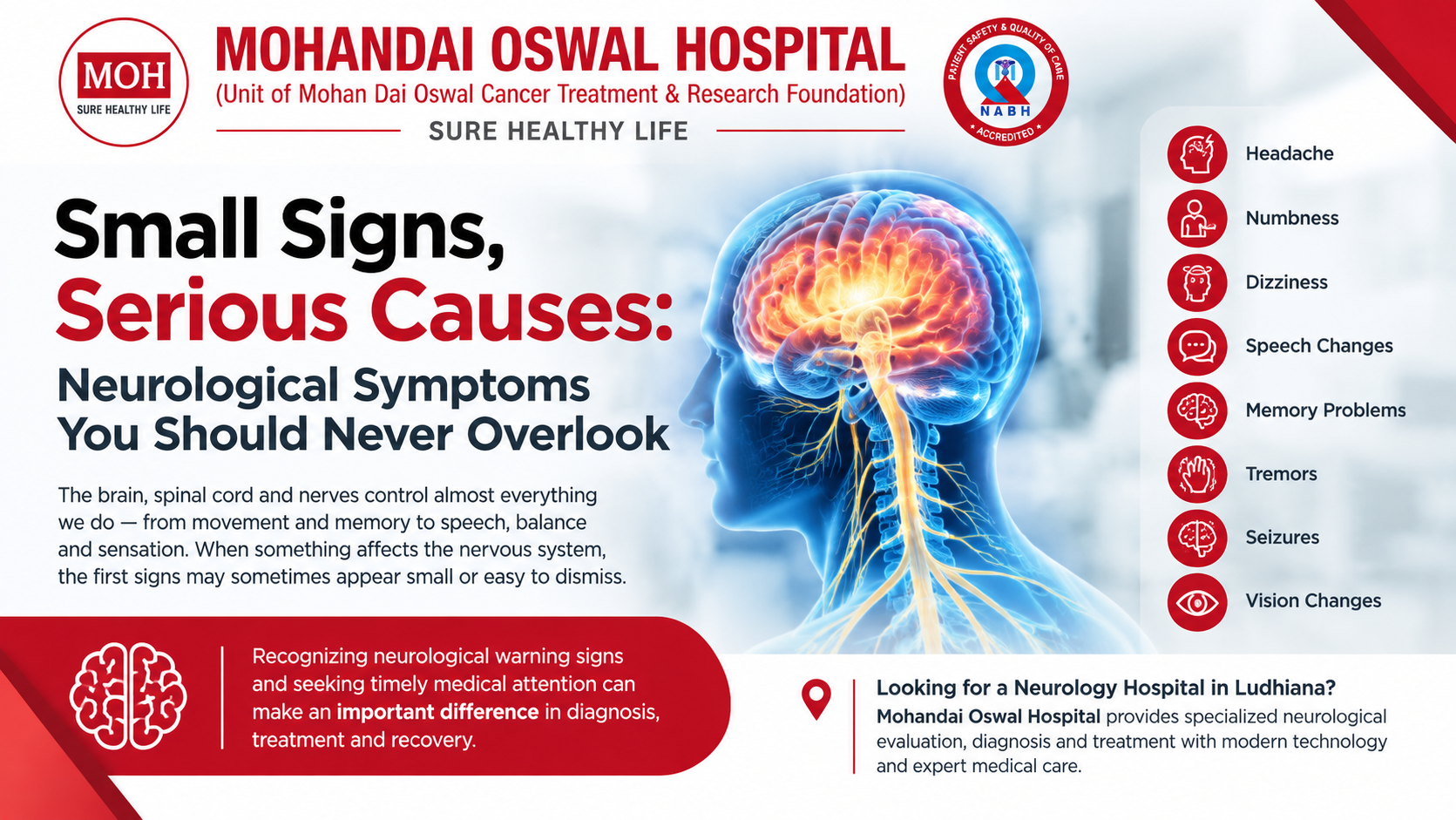
Small Signs, Serious Causes: Neurological Symptoms You
Should Never Overlook
The brain,
spinal cord, and nerves control almost everything we do—from movement and
memory to speech, balance, and sensation. When something affects the nervous
system, the first signs may sometimes appear small or easy to dismiss. A
recurring headache, unexplained numbness, dizziness, or sudden change in speech
may seem temporary, but these symptoms can sometimes indicate an underlying
neurological condition.
Recognizing
neurological warning signs and seeking timely medical attention can make an
important difference in diagnosis, treatment, and recovery. If you are
searching for a Neurology hospital in Ludhiana, choosing
experienced specialists and comprehensive neurological care is essential. Mohandai
Oswal Hospital
provides specialized neurological
evaluation, diagnosis, and treatment with modern technology and expert medical
care.
This blog
explores common neurological symptoms, the conditions they may indicate, and
why recognizing these signs early is important for maintaining long-term brain
and nervous system health.
Understanding Neurological Symptoms
Neurological
symptoms occur when there is a problem affecting the brain, spinal cord,
peripheral nerves, or muscles controlled by the nervous system. These symptoms
can vary widely depending on the affected area and the underlying condition.
Some
symptoms may develop gradually, while others can appear suddenly and require
immediate medical attention.
Common
neurological symptoms include:
- Persistent
or severe headaches
- Numbness
or tingling
- Muscle
weakness
- Dizziness
or loss of balance
- Changes
in speech
- Memory
problems
- Tremors
or involuntary movements
- Seizures
- Changes
in vision
- Difficulty
coordinating movements
Not every
neurological symptom indicates a serious disease. However, persistent,
worsening, or sudden symptoms should not be ignored.
Neurological
Symptoms You Should Never Overlook
1. Sudden
Weakness or Numbness
Sudden
weakness or numbness, particularly on one side of the body, can be a warning
sign of a stroke. It may affect the face, arm, or leg and can occur with
difficulty speaking or understanding speech.
Because
stroke treatment is time-sensitive, sudden neurological changes require
immediate medical attention.
2. Persistent or Severe Headaches
Headaches
are common, but a headache that is unusually severe, occurs suddenly, becomes
increasingly frequent, or feels different from previous headaches should be
evaluated by a doctor.
Certain
headaches may be associated with conditions such as migraine, infections, or
other neurological problems. A medical evaluation can help identify the
underlying cause.
3. Problems With Speech or
Understanding
Difficulty
speaking clearly, finding the right words, understanding conversations, or
suddenly becoming confused can indicate a neurological problem.
Sudden
speech difficulties are particularly important to recognize because they can
occur during a stroke and require urgent assessment.
4. Frequent Dizziness or Loss of
Balance
Occasional
dizziness may have several causes, but frequent dizziness, difficulty walking,
loss of coordination, or unexplained balance problems can sometimes be related
to the nervous system.
These
symptoms may occur due to problems involving the brain, nerves, inner ear, or
other parts of the body's balance system.
5. Tremors or Uncontrolled Movements
Tremors
are involuntary rhythmic movements that can affect the hands, head, or other
parts of the body. While some tremors may be harmless, persistent or worsening
tremors should be evaluated.
In some
cases, tremors may be associated with movement disorders such as Parkinson's
disease or other neurological conditions.
6. Memory Loss or Sudden Confusion
6. Memory Loss
or Sudden Confusion
Occasional
forgetfulness can happen to anyone. However, significant memory loss,
difficulty performing familiar tasks, getting confused about time or place, or
noticeable changes in thinking may require neurological evaluation.
Early
assessment can help identify whether symptoms are related to normal aging,
medication effects, nutritional problems, or conditions affecting cognitive
function.
7. Seizures
A seizure
occurs when there is abnormal electrical activity in the brain. It may cause
uncontrolled movements, temporary loss of awareness, unusual sensations, or
changes in behaviour.
A
first-time seizure should always be medically evaluated to determine its cause
and whether further neurological testing is required.
8. Changes in Vision
Sudden
double vision, loss of vision, difficulty focusing, or unusual visual
disturbances can sometimes be associated with neurological conditions.
Sudden
changes in vision, particularly when accompanied by weakness, difficulty
speaking, severe headache, or loss of balance, require urgent medical
attention.
What Conditions Can Cause
Neurological Symptoms?
Neurological
symptoms can have many possible causes. Some are temporary and treatable, while
others require long-term management. Common neurological conditions include:
Stroke
A stroke
occurs when blood flow to part of the brain is interrupted or when bleeding
occurs in the brain. It can cause sudden weakness, numbness, speech
difficulties, vision changes, or loss of balance.
Migraine
Migraine
is more than an ordinary headache. It may cause intense head pain along with
nausea, sensitivity to light or sound, and sometimes visual or sensory disturbances.
Epilepsy
Epilepsy
is a neurological disorder characterized by recurrent seizures. Proper
diagnosis and treatment can help many people manage the condition effectively.
Parkinson's Disease
Parkinson's
disease primarily affects movement and may cause tremors, stiffness, slowed
movements, and balance problems. Early evaluation can help in planning
appropriate management.
Peripheral
Neuropathy
Peripheral
neuropathy affects the nerves outside the brain and spinal cord. It can cause
numbness, tingling, burning sensations, or weakness, particularly in the hands
and feet.
Dementia
Dementia
refers to a decline in memory, thinking, communication, and other cognitive
abilities that interferes with daily life. Early evaluation can help determine
the cause and guide treatment and support.
Multiple
Sclerosis
Multiple
sclerosis affects the central nervous system and can cause symptoms such as
vision problems, numbness, weakness, coordination difficulties, and fatigue.
When Is a Neurological Symptom an
Emergency?
Some
neurological symptoms require immediate medical attention rather than waiting
for a routine appointment.
Seek
emergency medical care if you experience:
- Sudden
weakness or numbness, especially on one side
- Sudden
difficulty speaking or understanding speech
- Sudden
loss of vision
- A
sudden, extremely severe headache
- A new
seizure
- Sudden
loss of consciousness
- Severe
difficulty walking or maintaining balance
- Sudden
confusion or major changes in awareness
Recognizing
these warning signs early can be critical, particularly in conditions such as
stroke where every minute can matter.
How Are Neurological Conditions
Diagnosed?
Neurological
diagnosis begins with a detailed medical history and neurological examination.
The doctor may assess muscle strength, reflexes, coordination, sensation,
balance, speech, memory, and other neurological functions.
Depending
on the symptoms, additional tests may include:
- MRI
scans
- CT
scans
- EEG
(Electroencephalogram)
- Nerve
conduction studies
- Electromyography
(EMG)
- Blood
tests
- Neuropsychological
assessments
These
investigations help specialists understand the underlying cause and develop an
appropriate treatment plan.
Advanced Neurological Treatment and
Care
Modern
neurology offers a wide range of treatment options depending on the condition,
its severity, and the individual patient's needs.
Stroke
Management
Timely
assessment and treatment are essential in stroke care. Depending on the type of
stroke, treatment may involve medications, procedures, rehabilitation, and
management of risk factors.
Migraine
Management
Migraine
treatment may include medications, lifestyle modifications, identifying
triggers, and preventive therapies for people experiencing frequent attacks.
Epilepsy
Treatment
Epilepsy
can often be managed with anti-seizure medications. Some patients with
difficult-to-control epilepsy may require additional specialized evaluation or
treatment.
Movement
Disorder Management
Conditions
such as Parkinson's disease and other movement disorders may require
medications, physiotherapy, lifestyle changes, and ongoing neurological
monitoring.
Neuropathy
Management
Treatment
for neuropathy focuses on addressing the underlying cause, managing symptoms,
and preventing further nerve damage.
Role of Technology in Modern
Neurology
Advancements
in medical technology have significantly improved the diagnosis and management
of neurological conditions.
Advanced Brain Imaging
MRI and CT
scans provide detailed images of the brain and help doctors identify conditions
such as stroke, tumours, bleeding, and structural abnormalities.
EEG
Testing
EEG
records electrical activity in the brain and plays an important role in
evaluating seizures and certain other neurological conditions.
Nerve
and Muscle Testing
Nerve
conduction studies and EMG can help assess the functioning of peripheral nerves
and muscles, particularly in conditions causing weakness, numbness, or
tingling.
These
diagnostic technologies allow specialists to make more informed decisions and
provide individualized treatment.
Preventive Neurological Care
While not
every neurological condition can be prevented, maintaining a healthy lifestyle
can help reduce the risk of several neurological and vascular conditions.
1.
Control Blood Pressure
High blood
pressure is an important risk factor for stroke. Regular monitoring and
appropriate management can help protect brain health.
2.
Manage Diabetes
Uncontrolled
diabetes can damage nerves and increase the risk of neurological complications.
Maintaining healthy blood sugar levels is important for long-term nerve health.
3.
Stay Physically Active
Regular
physical activity supports cardiovascular health and may contribute to overall
brain health.
4.
Eat a Balanced Diet
A
nutritious diet containing vegetables, fruits, whole grains, healthy fats, and
adequate protein supports overall health and helps manage risk factors
associated with neurological disease.
5.
Get Adequate Sleep
Quality
sleep plays an important role in memory, concentration, mood, and overall brain
function.
6.
Avoid Smoking and Excessive Alcohol
Smoking
and excessive alcohol consumption can negatively affect blood vessels, the
brain, and the nervous system.
Why Choose a Neurology Hospital in
Ludhiana?
Neurological
conditions can be complex and may require accurate diagnosis, specialized
expertise, advanced investigations, and long-term follow-up. Choosing a
hospital with comprehensive neurological services can help patients receive
coordinated care.
Experienced
Specialists
At
Mohandai Oswal Hospital, neurological care is provided by experienced
specialists who evaluate symptoms carefully and develop treatment plans based
on individual patient needs.
Advanced
Diagnostic Facilities
Access to
modern diagnostic technology helps doctors investigate neurological symptoms
accurately and identify potential problems at an early stage.
Comprehensive
Care
From
neurological consultations and diagnostic evaluation to treatment and follow-up
care, comprehensive services can help patients manage their condition under one
roof.
Patient-Centric
Approach
Neurological
conditions can affect not only physical health but also daily activities and
quality of life. A patient-focused approach helps ensure that treatment
decisions consider the individual's needs, condition, and long-term well-being.
Importance of Early Diagnosis
Many
neurological conditions can become more difficult to manage when diagnosis is
delayed. Paying attention to changes in movement, sensation, speech, memory,
balance, or coordination can help encourage timely medical evaluation.
Early diagnosis
does not always mean that a serious condition is present, but it can help
identify the cause of symptoms and allow appropriate treatment to begin sooner.
If you
notice persistent, unexplained, worsening, or sudden neurological symptoms,
consulting a neurologist is an important step toward protecting your brain and
nervous system health.
When Should You See a Neurologist?
You should
consider consulting a neurologist if you experience:
- Frequent
or persistent headaches
- Recurring
dizziness
- Numbness
or tingling
- Unexplained
muscle weakness
- Tremors
- Seizures
- Memory
or concentration problems
- Balance
or coordination difficulties
- Changes
in speech
- Persistent
changes in vision
- Symptoms
that are worsening or affecting daily activities
A
neurologist can evaluate these symptoms, determine whether further testing is
required, and recommend appropriate treatment or management.
Neurological
Care for Different Age Groups
Neurological
conditions can affect people at different stages of life, and symptoms may vary
according to age.
Children
Children
may experience conditions such as seizures, developmental disorders, headaches,
or movement problems that require specialized neurological assessment.
Adults
Adults may
be affected by migraines, epilepsy, neuropathy, stroke, movement disorders, and
other neurological conditions. Early evaluation can help manage symptoms
effectively.
Seniors
Older
adults may have an increased risk of stroke, Parkinson's disease, dementia, and
other age-related neurological conditions. Regular medical evaluation can help
identify concerning changes early.
Conclusion
Neurological
symptoms should never be dismissed simply because they appear small or
temporary. A headache that keeps returning, unexplained numbness, changes in
balance, memory difficulties, tremors, or sudden weakness can sometimes be an
important signal from the nervous system.
nervous
system . Understanding these warning signs and seeking timely medical advice
can support early diagnosis and appropriate treatment.
If you are
looking for a trusted
Neurology hospital
in Ludhiana, Mohandai
Oswal Hospital offers comprehensive neurological care supported by
experienced specialists, advanced diagnostic facilities, and a patient-focused
approach.
Listen to
your body, recognize the signs, and don't wait to seek help when something
doesn't feel right—because when it comes to your brain and nervous system,
early attention matters.

From Pain to Progress: Understanding the Role of Physiotherapy
Understanding Mental Health: Why Taking Care of Your Mind Matters
Laparoscopic Surgery: What Is It and How Does It Work?

Women’s health needs change at every stage of life. From the beginning of menstruation to pregnancy, motherhood, and menopause, women may experience...

Medical Oncology Treatment: Types, Process and What to Expect A cancer diagnosis often brings a flood of questions, and one of the most common concer...
.png)