


Understanding Mental Health: Why Taking Care of Your Mind Matters
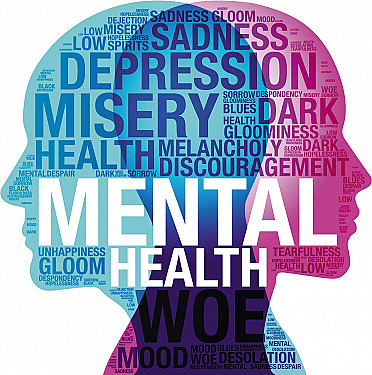
Understanding Mental Health: Why Taking Care of Your
Mind Matters
Mental
health plays an important role in how we think, feel, behave, and handle the
challenges of everyday life. Just like physical health, maintaining good mental
well-being is essential for living a balanced and fulfilling life. However,
mental health concerns are often overlooked due to stigma, lack of awareness,
or the belief that emotional struggles are something a person should simply
manage on their own.
Recognising
the importance of mental health and seeking timely support can help individuals
better manage stress, improve emotional well-being, and lead healthier lives.
At Mohandai Oswal Hospital, Ludhiana, patients have access to professional
mental health care supported by experienced specialists who focus on
personalised evaluation, treatment, and compassionate support.
What
Is Mental Health?
Mental health refers to a person's
emotional, psychological, and social well-being. It affects how individuals
handle stress, build relationships, make decisions, and respond to different
situations in life.
Good mental health does not mean
that a person never experiences stress, sadness, or difficult emotions.
Instead, it means having the ability to cope with challenges, manage emotions
effectively, and seek support when needed.
Mental health can change throughout
life due to various factors, including personal experiences, lifestyle,
relationships, work pressure, physical health conditions, and major life
changes.
Why
Mental Health Matters
Taking care of mental health is
essential because it influences almost every aspect of daily life. When mental
well-being is affected, it can impact physical health, relationships,
productivity, and overall quality of life.
Maintaining good mental health helps
individuals:
- Manage stress and daily
challenges more effectively
- Build stronger relationships
- Improve focus and
decision-making abilities
- Develop confidence and
emotional resilience
- Maintain a better overall
quality of life
Ignoring mental health concerns for
a long time can make symptoms more difficult to manage and may affect personal
and professional life.
Common
Mental Health Concerns
Mental health conditions can affect
people of all ages and backgrounds. Some common concerns include:
Anxiety
Disorders
Anxiety involves excessive worry,
fear, or nervousness that may interfere with daily activities. While occasional
anxiety is a normal response to stressful situations, persistent or intense
anxiety may require professional evaluation.
Depression
Depression is more than temporary
sadness. It is a condition that can affect mood, energy levels, sleep patterns,
appetite, and interest in daily activities. Early identification and
appropriate support can help individuals recover and regain balance.
Stress-Related
Problems
Continuous stress due to work
pressure, personal challenges, or lifestyle demands can affect both mental and
physical health. Learning healthy coping strategies can help manage stress
effectively.
Sleep-Related
Issues
Mental health and sleep are closely
connected. Stress, anxiety, and other emotional concerns can affect sleep
quality, while poor sleep can further impact mood and mental well-being.
Other
Mental Health Conditions
Conditions such as mood disorders,
behavioural concerns, and emotional difficulties may require assessment and
treatment from qualified mental health professionals.
Signs
That You May Need Mental Health Support
Many people experience mental health
challenges but may delay seeking help because they are unsure whether their
concerns are serious enough. Consulting a mental health professional may be
helpful if you notice:
- Persistent sadness,
hopelessness, or frequent mood changes
- Excessive worry or constant
feelings of fear
- Difficulty concentrating or
making decisions
- Changes in sleep or eating
patterns
- Loss of interest in activities
you previously enjoyed
- Feeling overwhelmed by daily
responsibilities
- Social withdrawal or avoiding
interactions
- Difficulty managing emotions
Seeking help at the right time can
prevent concerns from becoming more difficult to manage.
Factors
That Affect Mental Health
Mental health is influenced by a
combination of biological, psychological, and environmental factors.
Some factors that may affect mental
well-being include:
Lifestyle
Factors: Lack of sleep, poor nutrition, limited physical activity,
and unhealthy habits can impact emotional health.
Life
Experiences: Difficult experiences, trauma,
grief, or major life changes may affect how a person feels and responds to
situations.
Work and
Academic Pressure: Continuous pressure, stress, and unrealistic expectations
can contribute to emotional exhaustion.
Relationships
and Social Support: Healthy relationships and a strong support system can
positively influence mental well-being.
Understanding these factors can help
individuals take preventive steps and develop healthier coping mechanisms.
Importance
of Professional Mental Health Care
Mental health concerns are medical
conditions that can be evaluated and treated with appropriate professional support.
A mental health specialist can understand symptoms, identify underlying
concerns, and recommend suitable treatment options.
Treatment approaches may include:
Counselling
and Psychotherapy: Therapy helps individuals
understand their thoughts, emotions, and behaviours while developing healthier
ways to manage challenges.
Medication
When Required: In
certain conditions, medications may be recommended as part of a comprehensive
treatment plan under medical supervision.
Lifestyle
Support: Improvements in sleep, physical
activity, stress management, and daily routines can support overall mental
well-being.
The treatment approach is
personalised according to the individual's symptoms, needs, and overall health.
How
to Maintain Good Mental Health
Taking small steps regularly can
support better mental well-being. Some healthy practices include:
- Maintaining a balanced routine
- Getting adequate sleep
- Staying physically active
- Spending time with supportive
people
- Practising relaxation
techniques
- Taking breaks and managing
workload
- Expressing emotions instead of
suppressing them
- Seeking professional guidance
when needed
Mental health care is not only about
treating problems; it is also about building emotional strength and maintaining
long-term well-being.
A
Compassionate Approach to Mental Health Care
Mental health requires
understanding, patience, and personalised care. At Mohandai Oswal Hospital,
Ludhiana, patients receive comprehensive support through experienced
specialists, modern facilities, and a patient-focused approach designed to
address individual mental health needs.
Creating awareness about mental
health helps reduce stigma and encourages more people to seek timely support
without hesitation.
Conclusion
Mental health is an essential part
of overall health and should receive the same attention and care as physical
well-being. Recognising early signs, maintaining healthy habits, and seeking
professional guidance when needed can help individuals manage challenges and
improve their quality of life.
If you or your loved one is
experiencing emotional difficulties, stress, anxiety, or changes affecting
daily life, consulting an experienced mental health professional can be an
important step towards recovery and better well-being.
Frequently
Asked Questions
1. Why is
mental health important?
Mental health affects emotions, thoughts, behaviour, relationships, and the
ability to manage daily challenges. Good mental well-being supports a healthier
and more balanced life.
2. When
should someone seek help for mental health concerns?
Professional support should be considered when emotional difficulties, stress,
anxiety, sadness, or changes in behaviour begin affecting daily activities,
relationships, or quality of life.
3. Can
mental health conditions be treated?
Yes. Many mental health conditions can be effectively managed with appropriate
treatment, including counselling, therapy, lifestyle changes, and medication
when required.
4. Is
seeking mental health support a sign of weakness?
No. Seeking help for mental health is a positive step towards understanding
concerns, improving well-being, and maintaining a healthier life.

From Pain to Progress: Understanding the Role of Physiotherapy
Neurological Symptoms

Laparoscopic Surgery: What Is It and How Does It Work?

Women’s health needs change at every stage of life. From the beginning of menstruation to pregnancy, motherhood, and menopause, women may experience...

Medical Oncology Treatment: Types, Process and What to Expect A cancer diagnosis often brings a flood of questions, and one of the most common concer...
.png)