


From Pain to Progress: Understanding the Role of Physiotherapy
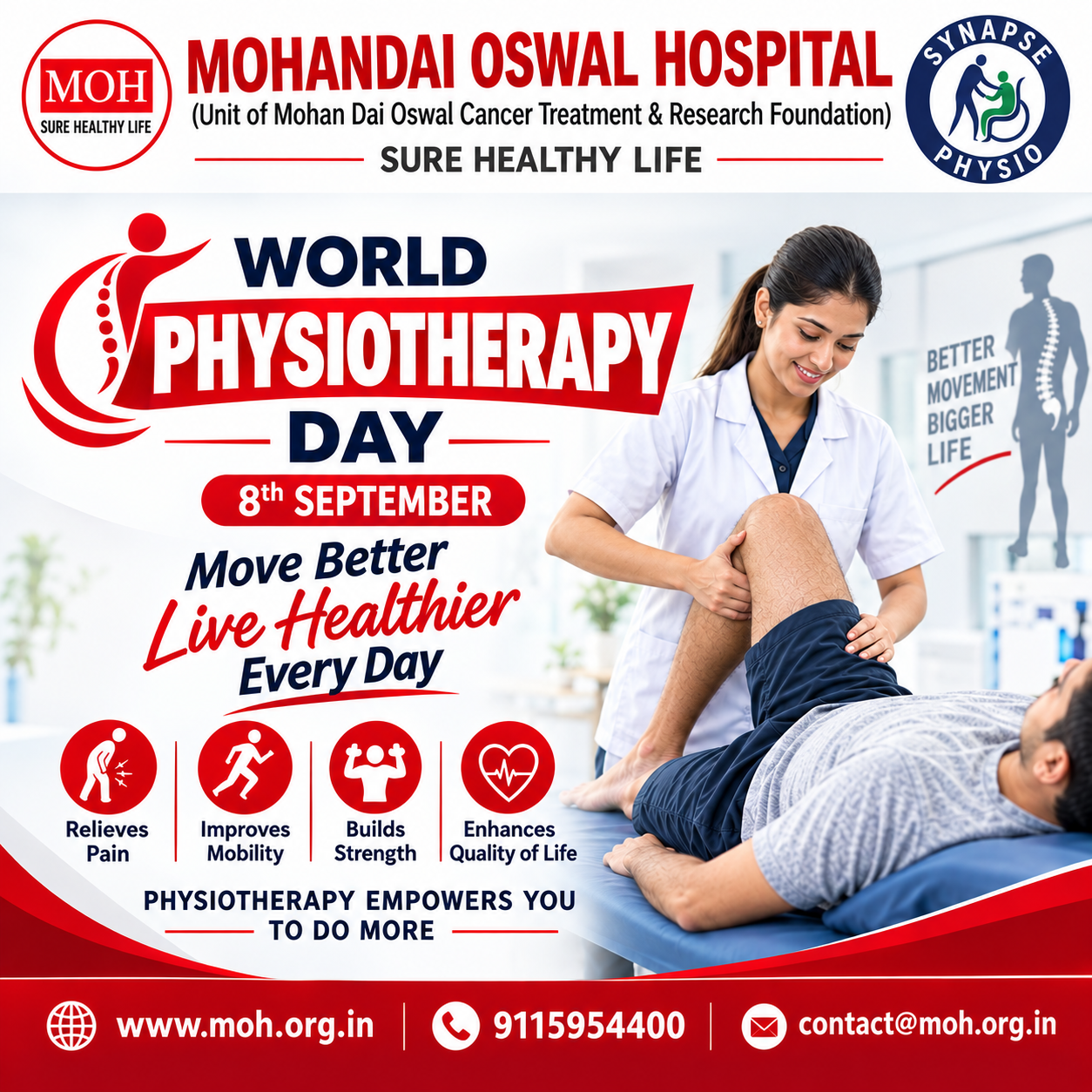
From Pain to Progress: Understanding the Role of
Physiotherapy
Pain,
stiffness, weakness, or difficulty moving can affect more than just the body.
They can interfere with work, daily activities, exercise, sleep, and overall
quality of life. Whether caused by an injury, surgery, neurological condition,
ageing, or a musculoskeletal problem, reduced movement can make even simple
tasks challenging. Physiotherapy plays an important role in helping people
manage pain, restore movement, improve strength, and return to their normal
activities.
Physiotherapy
is not limited to treating pain after an injury. It is a comprehensive approach
to improving physical function, supporting recovery, preventing further
problems, and helping individuals maintain mobility and independence. With the
right assessment and personalised treatment plan, physiotherapy can help
patients progress from limited movement and discomfort towards better function
and confidence.
This blog
explores the role of physiotherapy, the conditions it can help manage, common
treatment approaches, and why rehabilitation is an important part of recovery.
Understanding
Physiotherapy
Physiotherapy
is a healthcare profession focused on improving movement, physical function,
strength, flexibility, balance, and overall mobility. Physiotherapists assess a
person's condition, identify movement limitations, and develop an
individualised treatment plan based on their specific needs and goals.
Treatment
may involve exercises, manual techniques, movement training, education, and
other rehabilitation approaches. The aim is not only to reduce symptoms but
also to address factors that may be contributing to pain or limited movement.
Physiotherapy
can be beneficial for people of different ages and may be used for:
- Musculoskeletal
injuries
- Back
and neck pain
- Joint
problems
- Sports
injuries
- Post-surgical
rehabilitation
- Neurological
conditions
- Arthritis
- Balance
and mobility problems
- Age-related
physical limitations
- Recovery
after certain medical conditions
How
Does Physiotherapy Help?
Physiotherapy
focuses on helping patients regain physical abilities that may have been
affected by pain, injury, illness, surgery, or prolonged inactivity. The
treatment approach varies depending on the condition and the individual's
goals.
Pain
Management
Pain is
one of the most common reasons people seek physiotherapy. Physiotherapists may
use appropriate exercises, hands-on techniques, movement strategies, and
education to help manage pain and improve function.
The goal
is to help patients understand their condition and gradually return to
comfortable movement rather than relying only on rest or avoiding activity.
Improving
Strength and Flexibility
Injury,
surgery, prolonged bed rest, or inactivity can lead to muscle weakness and
reduced flexibility. Targeted exercises can help strengthen affected muscles
and improve the range of movement of joints.
A gradual
exercise programme allows patients to build strength safely according to their
individual condition and recovery stage.
Restoring
Mobility
Difficulty
walking, climbing stairs, standing, or performing everyday movements can
significantly affect independence. Physiotherapy can help patients work on
mobility, coordination, balance, and functional movements.
This is
particularly important for individuals recovering from surgery, injury,
neurological conditions, or periods of prolonged inactivity.
Supporting
Recovery After Surgery
Physiotherapy
can be an important part of rehabilitation after many types of surgeries.
Depending on the procedure, rehabilitation may focus on reducing stiffness,
improving strength, restoring movement, and helping the patient safely return
to everyday activities.
Following
a structured rehabilitation programme can help patients progress through
different stages of recovery under professional guidance.
Conditions
Commonly Managed With Physiotherapy
Physiotherapy
can be used as part of the management of a wide range of conditions affecting
movement and physical function.
Back
and Neck Pain
Back and
neck pain can develop due to several factors, including muscle strain, poor
posture, injuries, or certain underlying conditions. Physiotherapy may help
improve mobility, strengthen supporting muscles, and teach patients appropriate
movement strategies.
Arthritis
and Joint Problems
Arthritis
and other joint problems can cause pain, stiffness, and difficulty with
movement. Physiotherapy may help maintain joint mobility, improve muscle
strength, and support functional movement.
Sports
Injuries
Sprains,
muscle injuries, ligament problems, and other sports-related injuries may
require rehabilitation before a person can safely return to physical activity.
Physiotherapy can help restore strength, flexibility, coordination, and
movement while gradually progressing activity.
Neurological
Conditions
Some
neurological conditions can affect movement, balance, coordination, muscle
strength, and independence. Neurological physiotherapy focuses on improving
physical function and helping patients make the most of their mobility and
abilities.
Post-Surgical
Rehabilitation
After
surgery, patients may experience pain, weakness, stiffness, or reduced
mobility. Physiotherapy can support recovery by introducing appropriate
exercises and functional activities according to the individual's condition and
stage of healing.
Common
Physiotherapy Techniques
A
physiotherapy programme is usually designed according to the patient's
condition, symptoms, physical abilities, and recovery goals. Different
approaches may be combined as required.
Therapeutic
Exercises
Exercise
is an important component of physiotherapy. It may include strengthening
exercises, stretching, mobility exercises, balance training, and functional
movements. Exercises are generally progressed gradually as the patient's
strength and ability improve.
Manual
Therapy
Depending
on the condition, physiotherapists may use hands-on techniques to support joint
and soft-tissue mobility and improve movement.
Balance
and Coordination Training
People
with certain neurological, musculoskeletal, or age-related conditions may
experience balance difficulties. Specific exercises can help improve
coordination, stability, and confidence during movement.
Functional
Rehabilitation
Physiotherapy
is often focused on real-life activities rather than movement in isolation.
Patients may work on activities such as walking, climbing stairs, getting up
from a chair, or performing movements required for work and daily life.
Physiotherapy
for Different Stages of Life
Physiotherapy
can support physical health across different stages of life, although treatment
goals may vary from one person to another.
Children
Paediatric
physiotherapy can support children who experience difficulties with movement,
physical development, coordination, strength, or mobility. Treatment is tailored
to the child's age, abilities, and individual needs.
Adults
Adults may
seek physiotherapy for workplace-related pain, sports injuries, joint problems,
back and neck pain, post-surgical rehabilitation, or other conditions affecting
movement and physical function.
Older
Adults
Maintaining
strength, balance, mobility, and independence becomes particularly important
with ageing. Physiotherapy can help older adults work towards maintaining
physical function and managing mobility-related challenges.
Why
Is Physiotherapy Important After an Injury?
Rest may
be necessary during certain stages of recovery, but prolonged inactivity can
sometimes contribute to muscle weakness, stiffness, and reduced physical
capacity. Physiotherapy provides a structured approach to gradually
reintroducing movement and activity.
A
physiotherapist can assess the patient's current abilities and guide them
through appropriate exercises and functional activities. This can help patients
progress safely instead of returning to normal activities too quickly or
remaining inactive for longer than necessary.
Benefits
of Regular Physiotherapy
Depending
on the condition and treatment plan, physiotherapy may help patients:
- Manage
pain and stiffness
- Improve
muscle strength
- Increase
flexibility and joint mobility
- Improve
balance and coordination
- Restore
functional movement
- Improve
physical independence
- Support
recovery after surgery or injury
- Return
gradually to daily or physical activities
- Develop
better movement habits
- Improve
overall physical function
The
results of physiotherapy can vary depending on the underlying condition,
severity of the problem, consistency with treatment, and individual recovery.
When Should You See a Physiotherapist?
You may
consider consulting a physiotherapist if you experience:
- Persistent
muscle or joint pain
- Stiffness
or reduced range of movement
- Difficulty
walking or performing daily activities
- Weakness
after an injury or surgery
- Recurring
sports injuries
- Balance
or coordination difficulties
- Difficulty
returning to physical activity after an injury
- Movement
problems associated with certain neurological conditions
- Reduced
mobility affecting your independence
A
physiotherapist can assess your movement and physical function and determine
whether physiotherapy may be appropriate for your condition.
Personalised
Physiotherapy and Rehabilitation
Every
patient experiences pain, injury, or movement limitations differently.
Therefore, physiotherapy should not follow a one-size-fits-all approach. An
individual's age, medical condition, physical abilities, lifestyle, goals, and
stage of recovery can all influence the rehabilitation plan.
A
personalised programme allows treatment and exercises to be adjusted as the
patient progresses. Regular assessment can help determine whether the treatment
approach needs to be continued, modified, or progressed.
Why
Choose Comprehensive Physiotherapy Care?
Effective
rehabilitation may require accurate assessment, experienced physiotherapists,
appropriate treatment techniques, and regular monitoring of progress. A
comprehensive physiotherapy service can help patients receive structured care
based on their individual needs.
Experienced
Physiotherapy Team
At
Mohandai Oswal Hospital, physiotherapy and rehabilitation services focus on
helping patients improve movement, physical function, strength, and
independence through personalised care.
Individualised
Treatment Plans
Treatment
programmes are designed according to the patient's condition, physical
abilities, recovery stage, and rehabilitation goals.
Rehabilitation-Focused
Care
Physiotherapy
is not simply about reducing pain. The broader goal is to help patients regain
function and develop the physical confidence needed to return to daily
activities as safely as possible.
Patient-Centred
Approach
Recovery
can be different for every individual. A patient-centred approach helps ensure
that rehabilitation considers the person's needs, challenges, progress, and
long-term functional goals.
The
Importance of Consistency in Physiotherapy
Physiotherapy
is a process, and progress may take time. Completing prescribed exercises
consistently, following professional guidance, maintaining appropriate activity
levels, and attending scheduled rehabilitation sessions can all contribute to
the recovery process.
Patients
should also communicate with their physiotherapist about changes in pain,
difficulty performing exercises, or any concerns during rehabilitation. This
allows the treatment plan to be adjusted when necessary.
Conclusion
From
managing pain to restoring movement, physiotherapy can play an important role
in helping individuals recover from injuries, surgery, illness, and conditions
affecting physical function. It focuses not only on symptoms but also on
improving strength, mobility, balance, flexibility, and the ability to perform
everyday activities.
Whether
you are recovering from an injury, experiencing persistent pain, preparing for
or recovering from surgery, or dealing with mobility challenges, timely
physiotherapy assessment can help identify an appropriate path towards
rehabilitation.
If you are
looking for comprehensive physiotherapy and rehabilitation care in Ludhiana,
Mohandai Oswal Hospital provides patient-focused care designed to support
recovery, improve physical function, and help individuals move towards greater
independence.
Remember,
recovery is not always about getting back to where you started—it is about
making progress, one movement at a time.
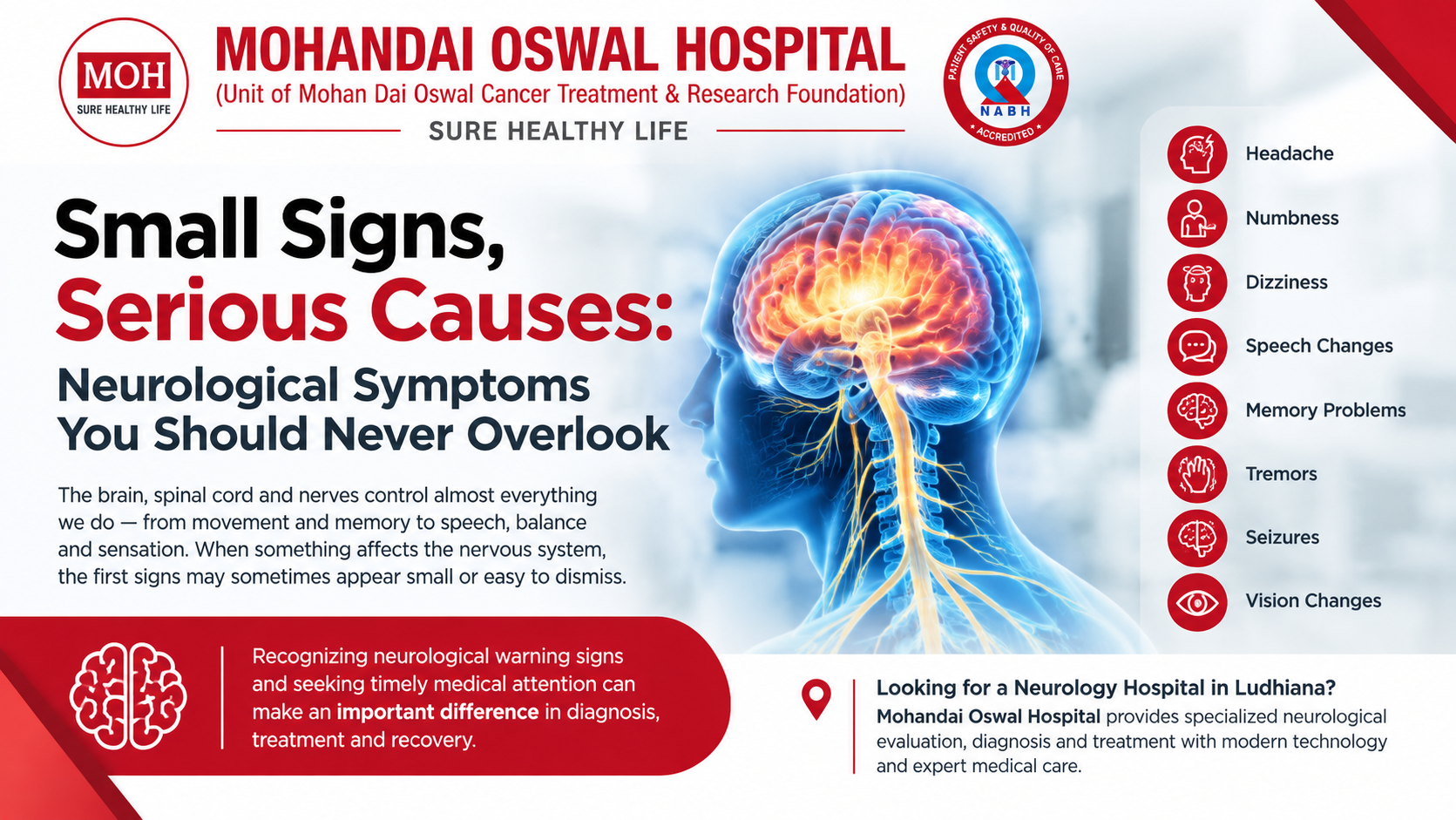
Neurological Symptoms

Understanding Mental Health: Why Taking Care of Your Mind Matters
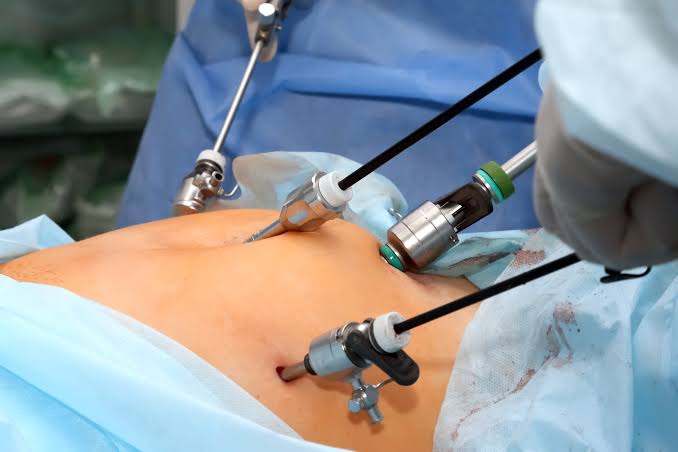
Laparoscopic Surgery: What Is It and How Does It Work?

Women’s health needs change at every stage of life. From the beginning of menstruation to pregnancy, motherhood, and menopause, women may experience...
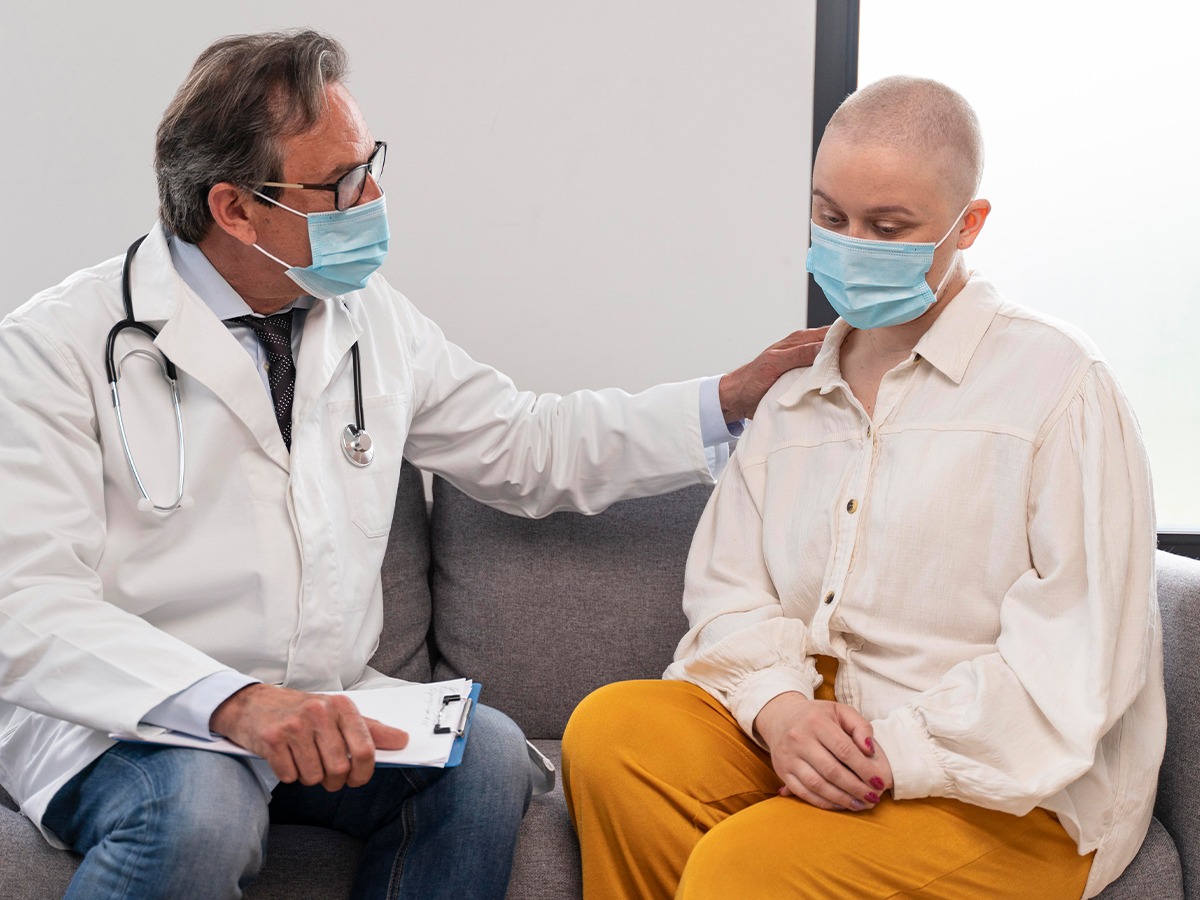
Medical Oncology Treatment: Types, Process and What to Expect A cancer diagnosis often brings a flood of questions, and one of the most common concer...
.png)