


Comparing Immunotherapy with Traditional Cancer Treatments
Introduction
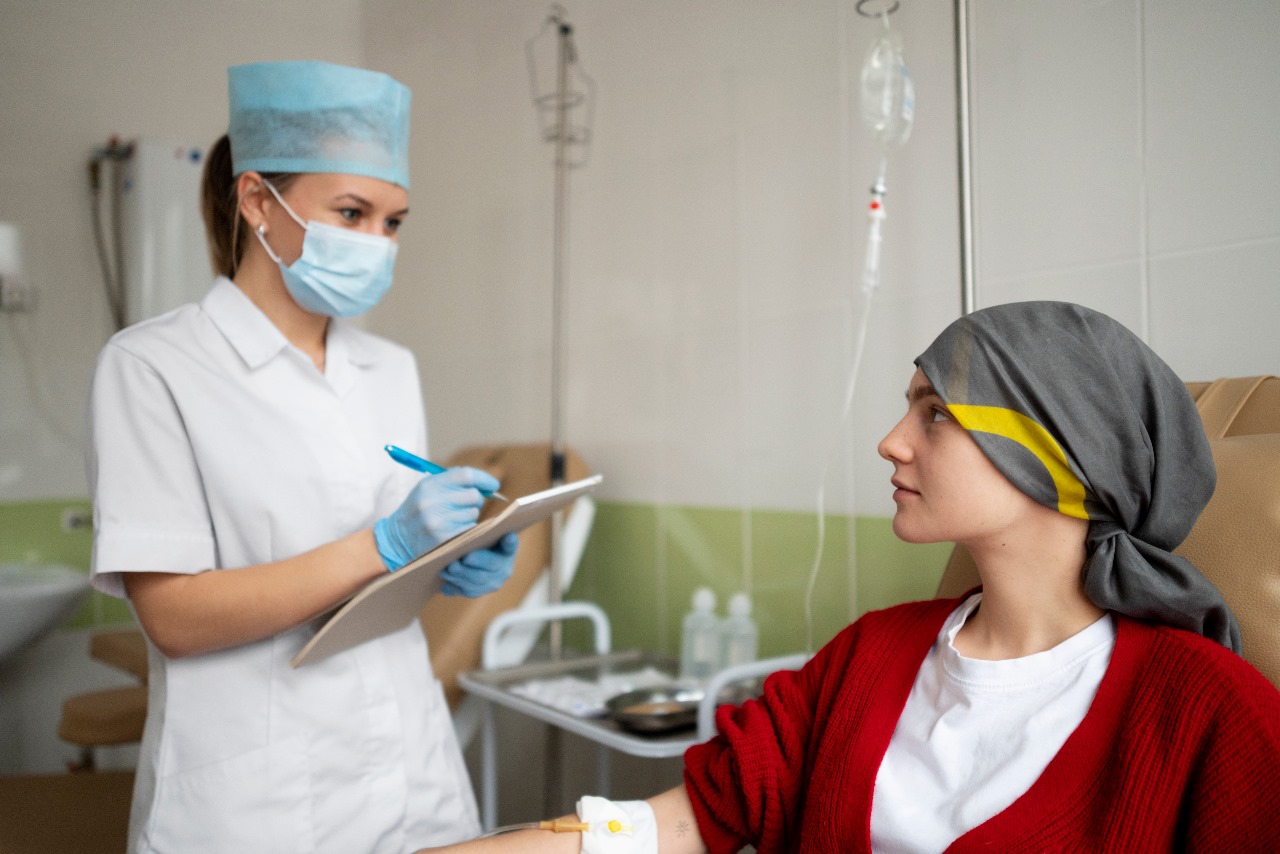
Cancer treatment has evolved tremendously over the years, transforming from generalized therapies to more advanced, targeted options. For decades, chemotherapy, radiation therapy, and surgery have remained the standard methods for treating different types of cancers. While these traditional treatments are still widely effective, the rise of immunotherapy has changed the way doctors and patients approach cancer care.
Immunotherapy represents a breakthrough method that uses the body’s own immune system to recognize and destroy cancer cells. Today, many patients in Ludhiana are exploring this innovative treatment option, especially through specialized centers like Mohandai Oswal Hospital, known for offering advanced cancer care.
This blog provides an in-depth comparison between immunotherapy and traditional cancer treatments, helping you understand how they work, their benefits, limitations, and which patients may benefit the most from each approach.
Understanding Traditional Cancer Treatments
Traditional cancer treatments have been used for many decades and remain the foundation of cancer care. These treatments primarily include:
1. Chemotherapy
Chemotherapy uses powerful drugs that circulate through the bloodstream to destroy rapidly dividing cancer cells. Because these drugs cannot differentiate between cancer cells and some healthy cells (such as those in hair follicles, bone marrow, and digestive tract), side effects are common.
When chemotherapy is used:
Cancers that spread throughout the body
Post-surgery to kill remaining cancer cells
To shrink tumors before surgery
As the main treatment for blood cancers
Chemotherapy is often given in cycles, allowing the body time to recover between sessions.
2. Radiation Therapy
Radiation therapy uses high-energy beams to shrink or destroy cancer cells. It is typically targeted to a specific area, making it effective for localized tumors.
When radiation is used:
To treat localized cancers
To relieve pain caused by advanced tumors
After surgery to eliminate microscopic cancer cells
Before surgery to reduce tumor size
Radiation may be external (from a machine) or internal (brachytherapy, where radioactive material is placed inside the body).
3. Surgery
Surgery is often the first treatment for solid tumors. The goal is to remove as much cancer as possible.
When surgery is used:
Early-stage cancers
Tumors confined to one area
To relieve symptoms like blockages
To reduce tumor size before other therapies
Surgery is sometimes combined with chemotherapy or radiation for better outcomes.
What Is Immunotherapy?
Immunotherapy is a cutting-edge treatment that trains the immune system to identify, attack, and destroy cancer cells. Since cancer cells often hide from the immune system, immunotherapy works by either boosting immune activity or removing the barriers that prevent immune cells from recognizing cancer.
Types of Immunotherapy:
1. Immune Checkpoint Inhibitors
Cancer cells use “checkpoints” to turn off immune responses. These drugs block the checkpoints, allowing immune cells to attack the cancer.
2. CAR T-Cell Therapy
Doctors take T-cells from a patient’s blood, modify them in a lab to better target cancer, and reintroduce them into the patient.
3. Monoclonal Antibodies
These lab-made antibodies attach to cancer-specific proteins and help the immune system identify and kill cancer cells.
4. Cancer Vaccines
These vaccines train the immune system to recognize cancer antigens and destroy cancer cells more effectively.
5. Cytokine Therapy
Cytokines like interleukins and interferons boost the immune system’s fighting ability.
How Do These Treatments Work? A Detailed Comparison
Traditional Treatments: Direct Destruction
Chemotherapy kills fast-growing cells throughout the body.
Radiation damages the DNA of cancer cells in a specific area.
Surgery physically removes the tumor from the body.
These treatments act directly on cancer cells.
Immunotherapy: Strengthening the Immune System
Immunotherapy works indirectly by:
Activating immune cells
Helping the immune system detect hidden cancer cells
Providing long-term protection
Because immunotherapy uses the body's natural defenses, responses can be long-lasting.
Effectiveness: Which Treatment Works Best?
Chemotherapy is most effective for:
Leukemia
Lymphoma
Breast cancer
Ovarian cancer
Certain gastrointestinal cancers
Radiation is most effective for:
Tumors in specific organs
Localized cancers
Cancers that cannot be fully removed surgically
Immunotherapy is most effective for:
Melanoma
Lung cancer
Kidney cancer
Bladder cancer
Head and neck cancers
Hodgkin lymphoma
Tumors with high genetic mutations
Cancers expressing PD-L1 or MSI-H markers
Doctors often test tumor biomarkers before recommending immunotherapy.
Side Effects: A Clear Comparison
Chemotherapy Side Effects
Hair loss
Nausea and vomiting
Loss of appetite
Low blood counts
Fatigue
Increased risk of infections
Nerve damage
Radiation Side Effects
Skin irritation at the treatment site
Fatigue
Localized swelling or inflammation
Organ-specific side effects
Immunotherapy Side Effects
Immunotherapy’s side effects occur when the immune system becomes overactive.
Common reactions include:
Skin rashes
Thyroid disorders
Inflammation of the lungs (pneumonitis)
Liver inflammation
Diarrhea due to colon inflammation
Hormonal imbalances
Immune-related side effects may appear later, sometimes even after treatment stops.
Which Patients Are Best Suited for Immunotherapy?
Not everyone is an ideal candidate. Immunotherapy is recommended for:
Patients with tumors expressing immune-responsive biomarkers
Individuals who have not responded to chemotherapy
Patients with metastatic or advanced cancers
People who cannot tolerate aggressive treatments
Younger or overall healthy patients with strong immune systems
Hospitals like Mohandai Oswal Hospital in Ludhiana conduct detailed evaluations before determining patient eligibility.
Combining Immunotherapy with Traditional Treatments
In many cases, the best outcomes come from combining therapies.
Chemotherapy + Immunotherapy
Chemotherapy can break down cancer cells, exposing hidden antigens that help immunotherapy work better.
Radiation + Immunotherapy
Radiation triggers immune activity, increasing the effectiveness of immunotherapy.
Surgery + Immunotherapy
Surgery removes the main tumor, while immunotherapy helps prevent recurrence by controlling microscopic cancer cells.
This combined approach is becoming more common in advanced oncology centers in Ludhiana.
Cost and Availability
While immunotherapy tends to cost more than chemotherapy or radiation, its benefits may include improved long-term outcomes and reduced recurrence. Costs are gradually decreasing due to:
More widespread availability
Insurance coverage
Hospital assistance programs
Government healthcare schemes
In Ludhiana, Mohandai Oswal Hospital offers immunotherapy along with financial guidance and supportive care.
Key Differences Patients Notice
1. Treatment Frequency
Chemotherapy: Every 2–3 weeks
Immunotherapy: Every 2–6 weeks
Radiation: Daily sessions
2. Speed of Response
Chemotherapy: Works quickly
Immunotherapy: Takes longer but may offer long-lasting benefits
3. Monitoring Needs
Chemotherapy: Blood counts, kidney/liver function
Immunotherapy: Immune-related tests, thyroid levels, lung function
4. Quality of Life
Patients often report fewer lifestyle disruptions during immunotherapy, as its side effects are more manageable for many individuals.
Long-Term Outcomes of Immunotherapy
Studies show that immunotherapy can:
Help patients live longer
Reduce the chance of cancer returning
Work when other treatments fail
Offer durable responses
Create immune memory that protects the body long-term
While not all patients respond, those who do may experience significant and lasting benefits.
Limitations of Immunotherapy
Despite its advantages, immunotherapy has limitations:
Not effective for all cancer types
Some patients do not respond at all
Immune reactions can be unpredictable
Treatment can be costly
It requires close monitoring at a specialized facility
Long-term effects are still being studied
This is why expert evaluation is necessary before beginning treatment.
Why Patients in Ludhiana Are Considering Immunotherapy
Many patients in Ludhiana are turning to immunotherapy because:
It offers hope for advanced cancers
It can improve survival rates
It is more targeted and less toxic
It may reduce recurrence
It works well for certain cancer types that resist chemotherapy
Mohandai Oswal Hospital is one of the leading centers in the region providing modern cancer therapies, advanced diagnostics, and dedicated oncology care.
Checklist for Patients Before Starting Immunotherapy
✔ Know your cancer type and stage
✔ Get biomarker and genetic testing done
✔ Understand possible side effects
✔ Discuss treatment goals with your doctor
✔ Check treatment costs and insurance coverage
✔ Ask whether a combination therapy is needed
✔ Choose a hospital with specialized oncology facilities
Being prepared helps you make informed decisions.
Real Patient Experiences with Immunotherapy
Patients who respond well to immunotherapy often describe:
A gradual increase in energy
Noticeable reduction in tumor size over time
Improved ability to perform daily activities
Better emotional well-being
Longer periods without disease progression
However, some patients also mention that:
Results may take months
Regular follow-ups are essential
Side effects must be reported immediately
Every patient’s journey is different, which is why personalized care is essential.
Why Choose Mohandai Oswal Hospital for Immunotherapy Cancer Treatment in Ludhiana?
Mohandai Oswal Hospital is recognized for:
Experienced oncology specialists
Advanced immunotherapy options
Comprehensive diagnostics and biomarker testing
Modern chemotherapy and radiation units
Personalized treatment strategies
Holistic patient care and recovery support
For patients seeking Immunotherapy Cancer Treatment in Ludhiana, the hospital offers a complete range of cancer care under one roof.
Conclusion
Cancer treatment today combines the strengths of both traditional therapies and modern immunotherapy. While chemotherapy, radiation, and surgery remain powerful tools, immunotherapy offers a new dimension of personalized, effective, and long-lasting cancer control.
Choosing the right treatment depends on several factors, including cancer type, stage, biomarkers, overall health, and treatment goals. Patients in Ludhiana can access advanced care at reputable centers like Mohandai Oswal Hospital, ensuring they receive the most suitable and effective treatment for their condition.
Hair loss
Nausea and vomiting
Loss of appetite
Low blood counts
Fatigue
Increased risk of infections
Nerve damage
Radiation Side Effects
Skin irritation at the treatment site
Fatigue
Localized swelling or inflammation
Organ-specific side effects
Immunotherapy Side Effects
Immunotherapy’s side effects occur when the immune system becomes overactive.
Common reactions include:
Skin rashes
Thyroid disorders
Inflammation of the lungs (pneumonitis)
Liver inflammation
Diarrhea due to colon inflammation
Hormonal imbalances
Immune-related side effects may appear later, sometimes even after treatment stops.
Which Patients Are Best Suited for Immunotherapy?
Not everyone is an ideal candidate. Immunotherapy is recommended for:
Patients with tumors expressing immune-responsive biomarkers
Individuals who have not responded to chemotherapy
Patients with metastatic or advanced cancers
People who cannot tolerate aggressive treatments
Younger or overall healthy patients with strong immune systems
Hospitals like Mohandai Oswal Hospital in Ludhiana conduct detailed evaluations before determining patient eligibility.
Combining Immunotherapy with Traditional Treatments
In many cases, the best outcomes come from combining therapies.
Chemotherapy + Immunotherapy
Chemotherapy can break down cancer cells, exposing hidden antigens that help immunotherapy work better.
Radiation + Immunotherapy
Radiation triggers immune activity, increasing the effectiveness of immunotherapy.
Surgery + Immunotherapy
Surgery removes the main tumor, while immunotherapy helps prevent recurrence by controlling microscopic cancer cells.
This combined approach is becoming more common in advanced oncology centers in Ludhiana.
Cost and Availability
While immunotherapy tends to cost more than chemotherapy or radiation, its benefits may include improved long-term outcomes and reduced recurrence. Costs are gradually decreasing due to:
More widespread availability
Insurance coverage
Hospital assistance programs
Government healthcare schemes
In Ludhiana, Mohandai Oswal Hospital offers immunotherapy along with financial guidance and supportive care.
Key Differences Patients Notice
1. Treatment Frequency
Chemotherapy: Every 2–3 weeks
Immunotherapy: Every 2–6 weeks
Radiation: Daily sessions
2. Speed of Response
Chemotherapy: Works quickly
Immunotherapy: Takes longer but may offer long-lasting benefits
3. Monitoring Needs
Chemotherapy: Blood counts, kidney/liver function
Immunotherapy: Immune-related tests, thyroid levels, lung function
4. Quality of Life
Patients often report fewer lifestyle disruptions during immunotherapy, as its side effects are more manageable for many individuals.
Long-Term Outcomes of Immunotherapy
Studies show that immunotherapy can:
Help patients live longer
Reduce the chance of cancer returning
Work when other treatments fail
Offer durable responses
Create immune memory that protects the body long-term
While not all patients respond, those who do may experience significant and lasting benefits.
Limitations of Immunotherapy
Despite its advantages, immunotherapy has limitations:
Not effective for all cancer types
Some patients do not respond at all
Immune reactions can be unpredictable
Treatment can be costly
It requires close monitoring at a specialized facility
Long-term effects are still being studied
This is why expert evaluation is necessary before beginning treatment.
Why Patients in Ludhiana Are Considering Immunotherapy
Many patients in Ludhiana are turning to immunotherapy because:
It offers hope for advanced cancers
It can improve survival rates
It is more targeted and less toxic
It may reduce recurrence
It works well for certain cancer types that resist chemotherapy
Mohandai Oswal Hospital is one of the leading centers in the region providing modern cancer therapies, advanced diagnostics, and dedicated oncology care.
Checklist for Patients Before Starting Immunotherapy
✔ Know your cancer type and stage
✔ Get biomarker and genetic testing done
✔ Understand possible side effects
✔ Discuss treatment goals with your doctor
✔ Check treatment costs and insurance coverage
✔ Ask whether a combination therapy is needed
✔ Choose a hospital with specialized oncology facilities
Being prepared helps you make informed decisions.
Real Patient Experiences with Immunotherapy
Patients who respond well to immunotherapy often describe:
A gradual increase in energy
Noticeable reduction in tumor size over time
Improved ability to perform daily activities
Better emotional well-being
Longer periods without disease progression
However, some patients also mention that:
Results may take months
Regular follow-ups are essential
Side effects must be reported immediately
Every patient’s journey is different, which is why personalized care is essential.
Why Choose Mohandai Oswal Hospital for Immunotherapy Cancer Treatment in Ludhiana?
Mohandai Oswal Hospital is recognized for:
Experienced oncology specialists
Advanced immunotherapy options
Comprehensive diagnostics and biomarker testing
Modern chemotherapy and radiation units
Personalized treatment strategies
Holistic patient care and recovery support
For patients seeking Immunotherapy Cancer Treatment in Ludhiana, the hospital offers a complete range of cancer care under one roof.
Conclusion
Cancer treatment today combines the strengths of both traditional therapies and modern immunotherapy. While chemotherapy, radiation, and surgery remain powerful tools, immunotherapy offers a new dimension of personalized, effective, and long-lasting cancer control.
Choosing the right treatment depends on several factors, including cancer type, stage, biomarkers, overall health, and treatment goals. Patients in Ludhiana can access advanced care at reputable centers like Mohandai Oswal Hospital, ensuring they receive the most suitable and effective treatment for their condition.
From Pain to Progress: Understanding the Role of Physiotherapy

Neurological Symptoms

Understanding Mental Health: Why Taking Care of Your Mind Matters
Laparoscopic Surgery: What Is It and How Does It Work?

Women’s health needs change at every stage of life. From the beginning of menstruation to pregnancy, motherhood, and menopause, women may experience...
.png)